Play Megaman VII (USA) online! It is one of the top-rated Super NES games you can play for free. No download, emulator, or setup required—jump straight into the action directly in your browser and start playing this classic in seconds.
Core Gameplay Mechanics and Design Innovations
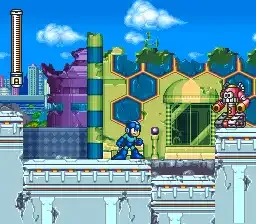
The release of Megaman VII in 1995 marked a significant moment in the franchise’s evolution. The game introduced refined gameplay mechanics that shaped the future of platformers. Players once again control the iconic blue robot, engaging in fast-paced platforming that combines shooting and jumping in intricate levels. Each stage features unique challenges, often requiring strategy and reflexes, which elevates the difficulty to a noteworthy level. The introduction of the “Rush” adapter formed a pivotal design choice, allowing players to transform their sidekick into helpful vehicles, adding depth to the gameplay while fostering creativity in traversing levels.
Moreover, Megaman VII showcased an impressive graphical leap, utilizing colorful sprites and detailed backgrounds that were remarkable for its time. The visual fidelity brought the game to life, and the vibrant art style contributed significantly to the nostalgic feeling players hold today. It also included a robust soundtrack that resonated deeply with fans, featuring memorable themes that are still celebrated in gaming communities.
A Cultural Legacy and Historical Impact
Initially released on the Super Nintendo Entertainment System (SNES), Megaman VII not only built upon the successes of its predecessors but also laid the groundwork for future titles in the series. The game received a warm reception, becoming a staple for SNES owners and introducing new players to the franchise. As digital gaming evolved, Megaman VII remained relevant through remakes, collections, and even fan art that continues to circulate online. Its characters and stages have permeated pop culture, celebrating the enduring appeal of the franchise beyond its initial release.
Today, Megaman VII represents an important chapter in gaming history. Its balance of challenge, creativity, and engaging design redefined expectations for platformers of the era, inspiring not only its sequels but also a wide array of other titles across genres. The nostalgic fondness players have towards the game keeps its legacy alive, ensuring fresh generations discover its charm.
Why It’s Still Remembered Today
The longevity of Megaman VII can be attributed to its distinctive blend of engaging mechanics, strong visual style, and the nostalgia it elicits from those who experienced it first-hand. As gaming communities continue to celebrate retro titles, this game remains an enduring favorite, seen in speed run events, remastered collections, and ongoing online discussions about its influence in shaping the platforming genre.
In conclusion, Megaman VII not only delivered captivating gameplay but also solidified its place in gaming history. Its innovation, challenge, and cultural significance ensure that it will be fondly remembered, inspiring players both new and old to embrace the legacy of this beloved franchise.