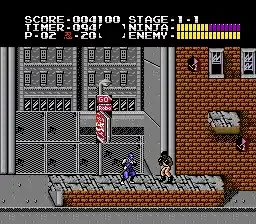
Play Ninja Gaiden Trilogy (USA) online! It is one of the top-rated Super NES games you can play for free. No download, emulator, or setup required—jump straight into the action directly in your browser and start playing this classic in seconds.
Ninja Gaiden Trilogy: A Historical Gaming Landmark
The Ninja Gaiden Trilogy holds a unique place in gaming history, both for its intricate gameplay and remarkable challenge. Released during a time when side-scrolling action games were king, the trilogy pushed the boundaries of what players could experience. It debuted in the late 1980s and early 1990s, captivating audiences with intense combat, breathtaking graphics, and a cinematic storytelling approach that was groundbreaking for its era. Players took on the role of Ryu Hayabusa, a skilled ninja on a quest for vengeance, navigating a landscape filled with enemies, traps, and bosses that challenged every gamer’s skill.
Gameplay Mechanics and Challenges
At its core, the gameplay of the Ninja Gaiden trilogy is characterized by fast-paced action combined with a steep learning curve. Players must master precise controls and intricate combos to navigate through levels filled with aggressive foes. The trilogy is noted for its relentless difficulty, forcing gamers to adapt quickly or face frustrating setbacks. Each installment introduced unique gameplay mechanics, such as wall-running and ninjutsu techniques, enhancing the fluidity and excitement of battles.
The game’s design encourages exploration, rewarding players with power-ups and hidden secrets. One of the key innovations is the use of cutscenes that weave the narrative throughout the gameplay, a feature that added depth and context to the ninja’s journey. This storytelling method not only engaged players but also set a precedent for future action games that sought to merge narrative and gameplay seamlessly.
A Cultural Impact
The cultural impact of the Ninja Gaiden trilogy cannot be understated. It inspired a generation of gamers and developers alike, serving as a benchmark for design and storytelling in action titles. The iconic character of Ryu Hayabusa has transcended the games, appearing in various spin-offs and crossovers, solidifying his status in gaming lore. Moreover, the trilogy has maintained a loyal fan base over the years, leading to numerous re-releases and remakes that introduce Ryu’s adventures to new audiences.
Conclusion
In conclusion, the Ninja Gaiden Trilogy stands as a testament to the evolution of action games, merging challenging gameplay with rich storytelling. Its historical significance, innovative mechanics, and cultural influence ensure that it remains a cherished classic in the gaming community. With its continuing legacy visible in modern titles, the trilogy is not just remembered; it’s revered as a foundational pillar of retro gaming that paved the way for the future.