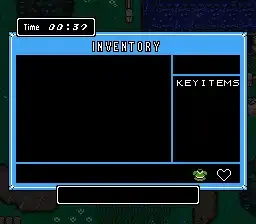
Play The Legend of Zelda Parallel Worlds Remodel online! It is one of the top-rated Super NES games you can play for free. No download, emulator, or setup required—jump straight into the action directly in your browser and start playing this classic in seconds.
The Legacy of The Legend of Zelda
The Legend of Zelda captured the hearts of gamers in the 1980s, introducing them to a richly developed fantasy world filled with puzzles and quests. The game’s open-world exploration and dungeon mechanics became staples in the action-adventure genre, influencing countless titles that followed. Its blend of intricate design and engaging storytelling not only established a franchise but also cemented its place in gaming history. As we explore the Legend of Zelda remodel, it’s a compelling testament to how innovation and creativity can evoke nostalgia while captivating new generations of players.
Gameplay Mechanics and Difficulty
At its core, the gameplay mechanics of the Legend of Zelda revolve around exploration, puzzle-solving, and combat. Players traverse diverse landscapes, from lush forests to treacherous dungeons, where they must strategize to overcome a variety of challenges. The *Parallel Worlds* remodel particularly enhances this experience by introducing new mechanics and altering familiar settings, providing both fresh challenges and nostalgic throwbacks. The difficulty curve invites seasoned players to explore deeper while making the game approachable for newcomers. Unique item systems and enemy designs encourage gamers to develop their skills and adapt their strategies, making each playthrough dynamic and engaging.
Innovative Design Features
The remodel showcases key technical advancements that set it apart from its predecessors. Among the innovations, enhanced graphics and improved mechanics create a more immersive experience. The introduction of varied enemy behaviors and distinct environmental puzzles adds layers of complexity and strategy. Players can also take advantage of new transportation options and secret areas, fostering a sense of exploration and discovery that harkens back to the original’s charm.
Cultural Impact and Lasting Legacy
The cultural impact of the Legend of Zelda is undeniable. Its rich lore and iconic characters, like Link and Princess Zelda, have transcended gaming to become integral parts of popular culture. This franchise established a blueprint for storytelling and game design that resonates to this day, inspiring generations of developers. With an ever-growing fan base, the excitement surrounding remakes and remasters is a testament to the enduring appeal of the game. The collective nostalgia fosters a unique connection, allowing players to share their experiences anew, bridging past and present in the gaming landscape.
In conclusion, the Legend of Zelda continues to be a cornerstone of the gaming world due to its innovative gameplay, captivating narratives, and cultural significance. The remodel embodies a perfect blend of nostalgia and innovation, proving that great games redefine themselves while retaining the magic that first drew players in. Whether through its intricate mechanics, groundbreaking design, or lasting influence, The Legend of Zelda remains a beacon of excellence in the realm of retro gaming.