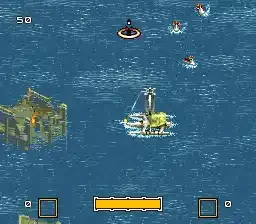
Play Waterworld (Europe) online! It is one of the top-rated Super NES games you can play for free. No download, emulator, or setup required—jump straight into the action directly in your browser and start playing this classic in seconds.
Introduction to Waterworld
Waterworld stands as a unique testament to the early 90s gaming landscape, merging an ambitious cinematic vision with brisk, engaging gameplay. Released in conjunction with the 1995 Kevin Costner film of the same name, this video game adaptation took players on a high-seas adventure filled with environmental themes and survival mechanics. While it faced a critical reception upon launch, the game’s innovative design and challenging gameplay have left a lasting impression on retro gaming enthusiasts.
Core Gameplay Mechanics
At its core, Waterworld immerses players in a post-apocalyptic world where land is a distant memory. Navigating through treacherous waters, players must manage resources, engage in combat, and complete quests to survive. The gameplay presents a blend of exploration, strategy, and combat, often requiring players to think creatively to overcome various obstacles. One of the standout features was the ability to upgrade your boat, which added layers of strategy to the initial navigation experience.
- Exploration of various islands
- Resource management for survival
- Combat with hostile forces on the water
The difficulty level can be punishing at times, keeping players on their toes with limited resources and constant threats, which further enhances the game’s challenge and replayability. Retro gaming enthusiasts often recall the sense of accomplishment that came from overcoming these challenges, cementing the game’s place in their fond gaming memories.
Historical Background and Cultural Impact
Waterworld was released during a time when movie tie-ins were common but often resulted in subpar experiences. However, its ambitious scope aimed to capture the spectacle of the film’s setting—a vast ocean filled with wonders and dangers. Despite mixed reviews, the game showcased innovative graphics for its time, enhancing the water-based gameplay experience while setting a precedent for future adaptations of cinematic properties.
Over the years, it gained a cult following among retro gamers. Many appreciated its attempt to create a fully realized world and its commitment to thematic coherence, a rarity in many adaptations. Even today, it is frequently discussed in the context of movie-based video games and remains a point of nostalgia for those who grew up in the 90s.
Conclusion
Despite its initial challenges, Waterworld carved a niche in the gaming community, demonstrating the potential for movie adaptations to provide unique gaming experiences. Its blend of exploration and resource management continues to resonate, reminding players of a time when games offered both a challenge and an adventure. As we look back on this retro gem, it’s clear that its legacy continues to inspire, urging new and old gamers alike to dive back into its vast, watery realms.