Play Dungeons & Dragons – shadow over mystara (960223 Euro) online! It is one of the top-rated Arcade games you can play for free. No download, emulator, or setup required—jump straight into the action directly in your browser and start playing this classic in seconds.
Introduction
Among the iconic titles of the 90s arcade scene, Dungeons & Dragons stands out as a beloved classic that has captured the hearts of gamers. Released in 1996, this side-scrolling beat ’em up transported players into a fantastical realm filled with dragons, magic, and adventure. With its cooperative gameplay and captivating visuals, the game forged connections among friends and became a nostalgic gem for many.
Core Gameplay Mechanics and Design Innovations
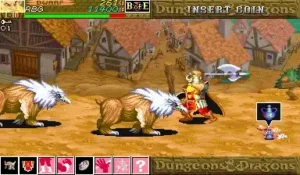
The core action of Dungeons & Dragons revolved around engaging combat and cooperative play, allowing up to four players to team up in their quest. Character selection was a crucial element, offering players the chance to embody various archetypes such as the valiant fighter or cunning thief, each with unique abilities and attributes. Players navigated through vibrant levels teeming with enemies, utilizing combos and magic spells to vanquish foes. The game’s difficulty was notable; it required strategic thinking and teamwork, ensuring that even seasoned players faced challenges that tested their skills.
Technically, the game featured impressive graphics for its time, utilizing hand-drawn sprites and detailed backgrounds that brought the Dungeons & Dragons universe to life. The intricate animation of characters and enemies added to the immersive experience, while the catchy soundtrack enhanced the overall atmosphere. This combination of high-quality design and engaging mechanics solidified its place in arcade history, setting a standard for future beat ’em ups.
Cultural Impact and Legacy
The influence of Dungeons & Dragons extends far beyond its initial release. It introduced many players to the rich lore and imagination inherent in tabletop role-playing games. The arcade title not only popularized cooperative gameplay but also inspired a generation of gamers and designers. Today, it remains a touchstone for fans of the genre, often referenced in discussions about video game evolution and storytelling in interactive media.
Conclusion
The lasting appeal of Dungeons & Dragons is a testament to its innovative design and engaging gameplay. Whether through intense cooperative sessions with friends or fond memories of arcade nights, its cultural footprint cannot be overstated. As retro gaming continues to gain traction, this classic title serves as an essential piece of gaming history, reminding us of the magic and camaraderie that video games can foster.
![The King of Fighters 2002 Magic Plus II (bootleg) [Bootleg]](https://www.retrogames.me/wp-content/uploads/the-king-of-fighters-2002-magic-plus-ii-bootleg-bootleg-150x150.webp)