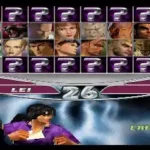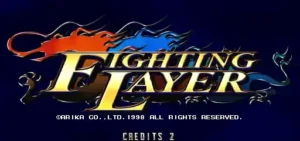
Play Fighting Layer (Asia, FTL3/VER.A) online! It is one of the top-rated Arcade games you can play for free. No download, emulator, or setup required—jump straight into the action directly in your browser and start playing this classic in seconds.
Introduction
First released in the mid-’90s, Fighting Layer garnered attention for its unique blend of 3D graphics and traditional fighting game mechanics. Developed by the esteemed Taito Corporation, this game offered players an innovative experience that set it apart from its contemporaries. With its intricate character designs and engaging gameplay, it has carved out a niche in the hearts of retro gaming enthusiasts. The game’s distinctive style and playability remain a topic of discussion among fans and developers alike.
Core Gameplay Mechanics and Difficulty
At its core, Fighting Layer emphasizes both skill and strategy, requiring players to master a variety of moves and combos. Featuring a roster of unique characters, each with their own fighting styles, players are encouraged to explore diverse approaches to combat. The game employed a combination of traditional input commands alongside a dynamic 3D movement system, allowing players to shift around the battlefield freely. While newcomers may find the game initially challenging, mastering its mechanics provides an exhilarating sense of accomplishment that keeps players coming back for more.
Historical Context and Design Innovations
Fighting Layer was released at a pivotal moment in gaming history when 3D graphics were rapidly evolving. Its design pushed the boundaries of what was possible in fighting games, incorporating advanced animation techniques and more fluid movements than many competitors of its time. Moreover, the game’s vibrant character design and backgrounds showcased a distinct aesthetic that appealed to players looking for more than just standard gameplay. The blend of 2D and 3D visuals, combined with cinematic cutscenes, contributed to its lasting impact, influencing many fighting games that followed.
Cultural Impact and Legacy
The innovative spirit of Fighting Layer continues to resonate today. Its emphasis on character diversity and gameplay depth set a standard that many modern fighting games strive to achieve. Fans cherish it not just as a game but as a cultural artifact, reflecting a vibrant era in gaming. Retro tournaments often feature it, highlighting its lasting legacy in the competitive scene. The game remains a beloved classic, fostering nostalgia and admiration among a passionate community of players.
Conclusion
In summation, the significance of Fighting Layer extends far beyond its original release. With its innovative gameplay, striking visuals, and a devoted fan base, it has secured its place in gaming history. Each revisit to this classic allows new generations to appreciate the creativity and craftsmanship that went into making it. As time marches on, its legacy remains intact, reminding us of the golden age of retro gaming and the joy it continues to inspire.
![The King of Fighters 2002 Magic Plus II (bootleg) [Bootleg]](https://www.retrogames.me/wp-content/uploads/the-king-of-fighters-2002-magic-plus-ii-bootleg-bootleg-150x150.webp)