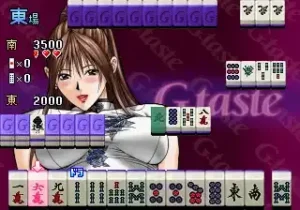
Play Mahjong G-Taste online! It is one of the top-rated Arcade games you can play for free. No download, emulator, or setup required—jump straight into the action directly in your browser and start playing this classic in seconds.
Exploring the Legacy of Mahjong
Mahjong has transcended generations, evolving from its origins in ancient China to become a beloved game across the globe. The Mahjong phenomenon is rooted in strategy and skill, offering players a unique blend of chance and intellect. This tile-based game has not only entertained countless players but has also sparked deep cultural significance, weaving its way into social gatherings and family traditions, making it an enduring symbol of leisure and social interaction.
Core Gameplay Mechanics and Cultural Significance
At its core, Mahjong is a game of matching tiles, requiring players to create pairs and ultimately form a complete set. The game typically involves four players and comes in various regional variations, each with its own unique rules and strategies. Players must navigate a complex landscape of tiles, which challenges their memory and analytical skills. The difficulty level can vary significantly, with some variations being more accessible for beginners while others present intricate challenges for seasoned players.
- Tile matching and strategy
- Regional variations and rules
- Social interaction and teamwork
Culturally, Mahjong has had a profound impact, especially in East Asian societies where it is often played during family gatherings and festivals. Its role as a bonding activity highlights the game’s importance beyond mere entertainment, fostering connections among players and creating lasting memories.
Design Innovations and Historical Context
The history of Mahjong dates back to the Qing dynasty, with its roots tracing to traditional Chinese card games. Over time, the game has seen numerous adaptations, including electronic versions that have helped maintain its relevance in the digital age. These innovations have introduced new audiences to Mahjong, ensuring its legacy continues to thrive. The design of Mahjong sets has also evolved, with beautifully crafted tiles that reflect cultural artistry and craftsmanship, making each set a collector’s item.
Conclusion
In the ever-changing landscape of gaming, Mahjong remains a testament to the enduring power of traditional games. Its unique gameplay mechanics, rich history, and cultural significance contribute to its lasting appeal. As players continue to engage with this beloved game, Mahjong not only entertains but also preserves a cherished cultural heritage, reminding us of the simple joys found in strategy, companionship, and tradition.
![The King of Fighters 2002 Magic Plus II (bootleg) [Bootleg]](https://www.retrogames.me/wp-content/uploads/the-king-of-fighters-2002-magic-plus-ii-bootleg-bootleg-150x150.webp)