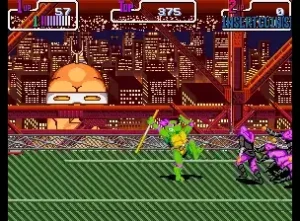
Play Teenage Mutant Ninja Turtles – Turtles in Time (2 Players ver. UDA) online! It is one of the top-rated Arcade games you can play for free. No download, emulator, or setup required—jump straight into the action directly in your browser and start playing this classic in seconds.
Introduction to the Classic Gameplay
Turtles in Time remains a beloved title among fans of the retro gaming era, captivating players with its unique blend of action and nostalgia. Released in the early ’90s, this arcade classic not only showcased the Teenage Mutant Ninja Turtles’ adventures but also revolutionized co-op gameplay. With vibrant graphics, engaging combat mechanics, and a memorable soundtrack, it set a new standard for beat ’em up games and paved the way for multiplayer interactions in future titles.
Revolutionary Gameplay Mechanics
The core gameplay in Turtles in Time revolves around side-scrolling action packed with intense combat scenarios. Players can choose from their favorite turtles, each possessing unique abilities and moves, fostering diverse play styles. The game is designed with cooperative play in mind, allowing two players to team up seamlessly. This cooperative element not only enhances the fun but also encourages strategy and teamwork to tackle increasingly difficult enemies and bosses. The introduction of time travel as a gameplay mechanic set it apart; players could traverse different historical settings, adding layers of excitement and variety to the experience.
Design Innovations and Technical Aspects
The visual presentation of Turtles in Time is a testament to its era, utilizing vibrant colors and fluid animations that brought the action to life. The developers employed advanced techniques for the time to create dynamic backgrounds and engaging character designs. Its iconic boss battles, such as facing off against Shredder or Krang, showcased not just combat skills but strategic thinking, requiring players to adapt and modify their approaches. These elements combined made it a standout title and helped to solidify it as a timeless classic.
Cultural Impact and Legacy
Even decades after its initial release, Turtles in Time remains a significant piece of gaming history. It influenced various genres, especially in the cooperative beat ’em up category, serving as inspiration for future titles. The game yielded several ports and remakes, proving its lasting appeal. Fans still celebrate it through conventions, merchandise, and various media, ensuring that new generations experience the joy of teaming up as their favorite turtles. Its legacy endures, reminding players not only of their childhood but also of the strong impact that cooperative gaming can have.
Conclusion
In summary, Turtles in Time is more than just a nostalgic trip; it’s a landmark title that transformed gaming. Its innovative collaborative gameplay, stunning art design, and lasting cultural influence have kept it alive in the hearts of old and new gamers alike. As we look back on the golden age of arcade games, this classic remains a shining example of what makes gaming a beloved pastime, a testament to the enduring power of shared experiences and teamwork.
![The King of Fighters 2002 Magic Plus II (bootleg) [Bootleg]](https://www.retrogames.me/wp-content/uploads/the-king-of-fighters-2002-magic-plus-ii-bootleg-bootleg-150x150.webp)