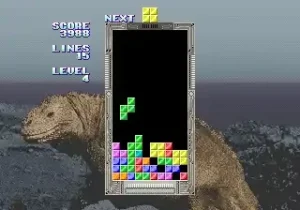
Play Tetris (bootleg) [Bootleg] online! It is one of the top-rated Arcade games you can play for free. No download, emulator, or setup required—jump straight into the action directly in your browser and start playing this classic in seconds.
The Enduring Appeal of Tetris
The world of gaming has seen many iconic titles, but few have left as lasting a mark as Tetris. This classic puzzle game, originally released in 1984, revolutionized the way players interact with digital spaces. Its simple yet addictive mechanics, characterized by stacking tetrominoes to clear lines, continue to captivate both nostalgic gamers and new players alike. Over the years, various versions, including bootleg adaptations, have emerged, each echoing the foundational genius of the original while attempting to introduce their unique twists.
Mechanics and Gameplay Innovations
At its core, Tetris challenges players to manipulate falling shapes in real-time, creating horizontal lines without gaps. This blend of speed and strategy offers an engaging difficulty curve that appeals to a wide audience. The game’s mechanics are deceptively simple; as the speed increases, so does the intensity, forcing players to think quickly and adapt rapidly. The introduction of innovative power-ups and customizable gameplay in bootleg versions adds fresh dynamics, showcasing the game’s versatility while retaining its original charm.
Historical Background
The inception of Tetris is a tale of ingenuity born from the Soviet Union in the mid-1980s. Created by Alexey Pajitnov, it quickly transcended borders to become a global phenomenon. Although bootleg versions often appeared due to the game’s massive popularity, they also highlighted the unique appeal of Tetris in different cultural contexts. These unauthorized adaptations not only kept the game alive in places where official releases were scarce but also underscored the universal joy that comes from its simple yet profound gameplay.
Cultural Impact and Legacy
Over the decades, Tetris has permeated popular culture, featured in movies, music, and even scientific studies on cognition. Its influence extends beyond just gaming; it has sparked discussions on mental health and the benefits of gaming for cognitive development. Iconic soundtracks and visual designs from both the original and bootleg adaptations have become embedded in the collective memory of generations. Today, Tetris remains relevant, with competitions and modern adaptations breathing new life into its timeless appeal.
In summary, the enduring legacy of Tetris lies in its innovative gameplay, cultural significance, and its capacity to inspire, challenge, and entertain. Its simplicity and depth resonate across generations, ensuring that it remains a staple in the gaming world. From its humble beginnings to its bootleg variations, the impact of Tetris is a testament to its status as a true classic in the annals of video game history.
![The King of Fighters 2002 Magic Plus II (bootleg) [Bootleg]](https://www.retrogames.me/wp-content/uploads/the-king-of-fighters-2002-magic-plus-ii-bootleg-bootleg-150x150.webp)