Play The King of Dragons (910711 etc) online! It is one of the top-rated Arcade games you can play for free. No download, emulator, or setup required—jump straight into the action directly in your browser and start playing this classic in seconds.
Introduction
The King of Dragons stands out as a beloved title in the annals of retro gaming, merging the thrill of side-scrolling action with a fantasy narrative that captivated many players during the ’90s. Released by Capcom, this arcade classic gained popularity not just for its engaging gameplay but also for its vibrant graphics and memorable character designs. Both casual players and seasoned gamers found themselves drawn to the enchanting world it created, marking a significant moment in the evolution of cooperative multiplayer experiences.
Core Gameplay Mechanics and Difficulty
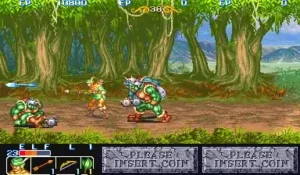
The gameplay of The King of Dragons exemplifies the side-scrolling beat ’em up genre, allowing players to choose from five distinct character classes—Knight, Wizard, Cleric, Amazon, and Dragon. Each character boasts unique abilities and combat styles, appealing to diverse play preferences. Players navigate through various beautifully designed levels, battling a range of mythical foes, each increasing in difficulty. Teamwork is essential, as players can combine their strengths to overcome formidable bosses and challenging scenarios, showcasing the significance of cooperative strategic play.
The challenge lies in balancing skill acquisition with the rapid pace of combat, creating a game that is accessible yet rewarding. The introduction of power-ups and a leveling system adds an additional layer of depth, encouraging players to explore every corner of the pixelated landscapes while fostering a sense of progression that resonates well with gamers even today.
Historical Release Background
Initially launched in arcades in 1991, The King of Dragons was a part of Capcom’s golden era, during which the company solidified its reputation for creating high-quality arcade experiences. As a pioneering title in cooperative gaming, its release coincided with a growing trend towards multiplayer games, paving the way for future titles that embraced teamwork. The game’s conversion to home consoles further expanded its reach, bringing its magic to living rooms around the world and cementing its status as a nostalgic gem for many.
The blend of captivating graphics, catchy music, and engaging gameplay mechanics contributed to its lasting appeal. Players fondly remember gathering with friends to tackle challenges together, making it a cultural touchstone for the gaming community. The King of Dragons inspires new generations of gamers to appreciate the intricacies of retro gaming while showcasing the universal themes of adventure and camaraderie.
Legacy and Cultural Impact
Even decades after its release, The King of Dragons continues to resonate with gamers. Its impact is evident in the resurgence of retro gaming through modern platforms, where it shows up in various compilations and remasters. The nostalgic charm of its characters and storyline keeps the game alive in discussions about classic titles, highlighting its role in shaping the side-scrolling genre.
Conclusion
In a world where gaming evolves rapidly, The King of Dragons remains a cherished classic, drawing in both old fans and new players. Its unique blend of cooperative gameplay, character diversity, and an immersive fantasy world ensures its position in gaming history. As we continue to celebrate retro games, this title exemplifies how engaging mechanics and nostalgic value can endure across generations, further solidifying its legacy as a true treasure in the gaming community.
![The King of Fighters 2002 Magic Plus II (bootleg) [Bootleg]](https://www.retrogames.me/wp-content/uploads/the-king-of-fighters-2002-magic-plus-ii-bootleg-bootleg-150x150.webp)