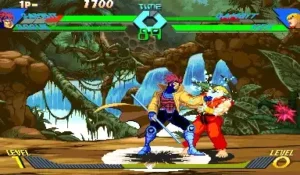
Play X-Men vs Street Fighter (960910 Euro) online! It is one of the top-rated Arcade games you can play for free. No download, emulator, or setup required—jump straight into the action directly in your browser and start playing this classic in seconds.
Introduction
The release of X-Men vs Street Fighter marked a watershed moment in the fighting game genre, combining the best of superhero narratives with iconic character battles. Released in 1996, this title not only elevated the fighting mechanics of its predecessors but also introduced a tag-team system that allowed players to unleash devastating combos and strategies. This innovation set the stage for future entries within the franchise while captivating a fanbase craving intense, high-stakes action.
Gameplay Mechanics and Difficulty
The core gameplay of X-Men vs Street Fighter centers around fast-paced battles that emphasize skill, strategy, and quick reflexes. Players select two characters from the expansive roster, allowing for dynamic team interactions as they switch between fighters mid-combo. The tag system introduced a new layer of depth, where timing and character synergy could turn the tide of a match. Each character boasts unique special moves, adding variety and complexity to combat that appeals to both casual gamers and competitive players alike. However, the steep learning curve—defined by precise input commands and the necessity for strategic team composition—challenges even seasoned players, making each victory feel hard-earned.
Historical Release Background
Launched in arcades across Europe in 1996, X-Men vs Street Fighter emerged during an era ripe with innovation in gaming technology. It utilized Capcom’s CPS-2 hardware, which allowed for vivid graphics and fluid animations that were cutting-edge at the time. The game’s unique blend of Marvel Comics characters and Capcom’s signature style not only appealed to fighting game enthusiasts but also drew in comic book fans, creating a broader cultural phenomenon. The success of this title paved the way for sequels like Marvel vs Capcom, solidifying the franchise’s longevity in the gaming world.
Cultural Impact and Legacy
Years after its initial release, X-Men vs Street Fighter remains a beloved classic, revered for its contributions to the fighting game genre. Its innovative tag-team mechanic has inspired game designers and influenced numerous titles in the years since. Furthermore, the game fortified the marriage of comics and video games, reinforcing the cultural significance of both mediums. Tournaments showcasing this game still draw crowds, proof of its enduring appeal and community-driven legacy.
Conclusion
<pX-Men vs Street Fighter transformed the landscape of fighting games with its groundbreaking mechanics and engaging character roster. By combining fast-paced action with strategic depth, it left an indelible mark on both gaming and popular culture. As nostalgia continues to bloom, this title not only showcases the artistry of its time but also serves as a reminder of the rich history of fighting games, ensuring that it maintains a cherished place in the hearts of fans worldwide.
![The King of Fighters 2002 Magic Plus II (bootleg) [Bootleg]](https://www.retrogames.me/wp-content/uploads/the-king-of-fighters-2002-magic-plus-ii-bootleg-bootleg-150x150.webp)