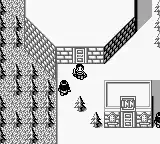
Play Megami Tensei Gaiden – Last Bible (Japan) online! It is one of the top-rated Game Boy games you can play for free. No download, emulator, or setup required—jump straight into the action directly in your browser and start playing this classic in seconds.
Introduction to Last Bible
The **Last Bible** is a noteworthy title within the Megami Tensei franchise that made waves in the early ’90s gaming landscape. Released on the Game Boy, this game innovatively blended traditional RPG mechanics with a unique narrative centered on a post-apocalyptic world. As fans of the series eagerly embraced its dark undertones and strategic battle system, Last Bible became a cult classic that still resonates with gamers today.
Core Gameplay Mechanics and Difficulty
At its core, Last Bible offers a rich RPG experience characterized by turn-based combat, exploration, and monster collecting, making it a predecessor to many iconic titles in the genre. Players navigate various environments while building a team of demons through a unique fusion system, allowing strategic gameplay that challenges even veteran gamers. The difficulty scales, requiring players to adapt their strategies as they progress through increasingly formidable enemies. Balancing attack and defense remains crucial, as the game incentivizes careful planning and resource management, giving it a layered depth that many enjoy exploring.
Historical Context and Cultural Impact
Released in Japan in 1995, Last Bible represented a significant shift for the series, transitioning from its usual contemporary setting to a more mythical and fantastical world. It showcased several design innovations, such as dynamic weather effects and an engaging story, which set it apart from its contemporaries. The game quickly garnered a dedicated following, as it managed to capture the essence of Japanese culture while intertwining themes of morality, choice, and consequence. Today, many fans remember Last Bible not just for its gameplay but also for how it introduced new players to the Megami Tensei lore.
Last Bible’s Legacy
Over the years, Last Bible’s legacy has influenced numerous modern RPGs. Its emphasis on strategy and decision-making continues to resonate, echoing throughout other titles in the genre. Players fondly recall their adventures, ensuring that even decades later, the game remains an influential piece of gaming history.
Conclusion
In retrospect, Last Bible is more than just a game; it’s a cultural artifact that encapsulates a pivotal moment in the evolution of RPGs. Its innovative mechanics and compelling narrative have left an indelible mark on gamers and developers alike. Though the world of gaming has drastically changed, the essence of adventure that Last Bible captured still inspires many, proving that great titles can transcend time.