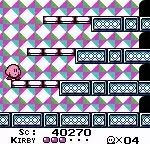
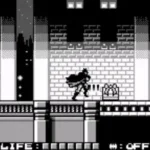
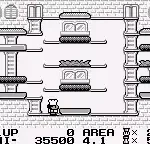
Play Tenchi o Kurau (Japan) online! It is one of the top-rated Game Boy games you can play for free. No download, emulator, or setup required—jump straight into the action directly in your browser and start playing this classic in seconds.
Unpacking the Gameplay Mechanics of Tenchi o Kurau
The gameplay of Tenchi o Kurau masterfully combines beat ’em up elements with a robust narrative rooted in historic conflict. Players step into the sandals of various characters, each boasting unique abilities that contribute to both strategic depth and replayability. The game is structured around side-scrolling levels that demand quick reflexes and tactical planning. Positioning becomes crucial as players encounter waves of enemies, each with different attack patterns and strengths. This creates an engaging challenge, requiring not just button-mashing skills but also a thoughtful approach to combat.
Moreover, the game introduces an innovative combo system that allows players to chain attacks, increasing damage while keeping the action exhilarating. The straightforward controls provide accessibility, yet as players progress, they discover the necessity for skillful execution and timing to overcome tougher opponents. The introduction of enemy bosses at the end of certain levels elevates the intensity, providing a thrilling climax that contrasts the standard fare of enemy encounters.
A Look Back at the Historical Release
Released in the late 1980s, Tenchi o Kurau emerged during a transformative period in the arcade gaming industry. It was part of a wave that sought to blend traditional gaming elements with narratives inspired by Japanese folklore and history. The game’s aesthetic, described as vibrant and colorful, was designed to captivate players, making it a hallmark of retro gaming in its time.
Its development was influenced by both Japanese cinema and classic literature, which brought a unique flavor to the gaming experience. The character designs drew inspiration from historical figures, making it not just a game but also a cultural artifact that connects players to Japan’s rich past. Over the years, the game has garnered a dedicated fanbase, reminiscent of an era where arcades were bustling with players, sharing strategies and gaming tactics.
Cultural Significance and Lasting Legacy
Tenchi o Kurau continues to hold a special place in gaming history, often referenced in modern media and game design. Its legacy lies in its contribution to both the beat ’em up genre and the portrayal of narrative in video games. The game showcased how character depth and engaging storylines can enhance player experience, making it a precursor to many future titles that prioritize story alongside gameplay.
In conclusion, the enduring popularity of Tenchi o Kurau stems from its innovative gameplay mechanics and rich historical context. Many gamers still fondly remember the challenges it posed, the vibrant graphics, and how it transported them into the heart of Japan’s history. The game lives on as a testament to the creative potential of video games in bridging culture and entertainment.