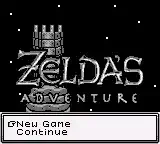
Play Zeldas Adventure v1.3.0 online! It is one of the top-rated Game Boy games you can play for free. No download, emulator, or setup required—jump straight into the action directly in your browser and start playing this classic in seconds.
Zelda’s Adventure: A Look Back at Innovation
Zelda’s Adventure stands out in the annals of retro gaming as an underappreciated gem that not only captivated players upon its release but also introduced innovative gameplay mechanics that were ahead of its time. Originally launched in 1995 for the Philips CD-i, this action-adventure game bore the legacy of the renowned Zelda franchise while carving its unique path with a distinct blend of puzzle-solving and exploration. As we reminisce about this cult classic, it’s important to acknowledge the challenges it faced and the lasting impact it left on the gaming community.
Gameplay Mechanics and Challenges
The core gameplay of Zelda’s Adventure is characterized by a mix of exploration, combat, and puzzle-solving. Players navigate through diverse environments, including forests, caverns, and dungeons, each brimming with adversaries and intricate challenges. The game deviated from its series counterparts by incorporating live-action cutscenes, a feature that was innovative for its time but received mixed reviews, primarily due to its execution. The difficulty level of the game is notable, with players often facing complex puzzles and formidable enemies that require both strategic thought and precise timing.
Innovations in Game Design
- Live-action video segments
- Unique gameplay mechanics blending combat and puzzles
- A rich narrative woven through character interactions
Despite the technical limitations of its platform, the game showcased the possibilities of interactive storytelling, setting a precedent for future titles in the genre. Its unique design choices aimed to transport players into a live-action fantasy, creating a memorable experience that stood apart from other games of its era.
The Cultural Impact and Legacy
Although Zelda’s Adventure might not enjoy the mainstream recognition that other titles in the franchise do, it has amassed a dedicated fanbase. Its influence can be seen in how modern games utilize narrative techniques and explore new gameplay mechanics. The game’s quirky charm and unique challenges have created a sense of nostalgia among players, solidifying its place in gaming history. Today, retro gaming enthusiasts continue to celebrate this title as an example of the creative risk-taking that marked the early years of gaming development.
In conclusion, Zelda’s Adventure represents a pivotal chapter in the evolution of gaming, marked by its ambition and creativity. While it may not have achieved the commercial success of its predecessors, its innovative spirit and distinctive gameplay have kept the flame of interest alive among retro gaming fans. As we explore this fascinating piece of gaming history, it serves as a reminder that every title has a unique story worth telling in the rich tapestry of video games.