
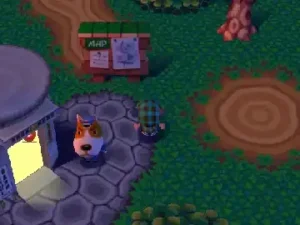
Play Animal crossing (Doubutsu no Mori) online! It is one of the top-rated Nintendo 64 games you can play for free. No download, emulator, or setup required—jump straight into the action directly in your browser and start playing this classic in seconds.
Exploring the Unique Gameplay Mechanics
Animal Crossing introduces players to a charming world where time progresses in real-time, creating a living, breathing environment that feels relatable and immersive. From the moment you step into your new village, the game invites you to cultivate relationships with anthropomorphic animal characters, engage in activities like gardening, fishing, and bug catching, and participate in seasonal festivities. The freedom to customize your home and decorate your surroundings adds a layer of creativity not commonly found in traditional games. This gameplay is self-paced, allowing players to create their own experiences without unnecessary pressure or difficulty, making it appealing to a broad audience.
The Historical Background and Innovations
Originally released in 2001 for the Nintendo 64 in Japan, Animal Crossing revolutionized the gaming landscape by seamlessly blending social simulation with open-ended gameplay. Unlike many titles of its time that emphasized competitiveness and achievement, this game focused on community building and personal expression. It was among the first to use a real-time clock, meaning in-game events and seasons reflected those of the real world. This innovation not only influenced a generation of games but also set the stage for future entries in the series and inspired developers aiming to create immersive digital environments.
Cultural Impact and Lasting Legacy
The impact of Animal Crossing extends beyond its innovative mechanics; it has carved out a significant place in popular culture. Fans regard it as a slice-of-life experience that allows for relaxation and reflection, making it a perfect antidote to the stresses of modern life. Numerous spin-offs and sequels have cemented its status as a beloved franchise, while merchandise, fan art, and social media discussions around the game keep its spirit alive. It continues to resonate with both new and returning players, showcasing the power of gaming to connect and inspire.
Conclusion
Animal Crossing remains a quintessential example of how video games can transcend traditional boundaries, fostering creativity and emotional connections. The interplay of time, community, and personal expression not only captured the hearts of players but also influenced gaming design for years to come. Its enduring legacy is a testament to its thoughtful architecture, making it a nostalgic touchstone that still engages gamers worldwide today.






I love this! I can simulate a whole city on an n64 even though it had limitations!