
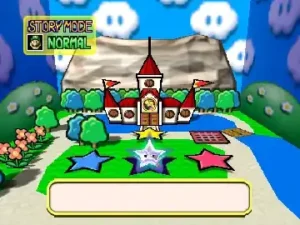
Play Mario Party 3 DX online! It is one of the top-rated Nintendo 64 games you can play for free. No download, emulator, or setup required—jump straight into the action directly in your browser and start playing this classic in seconds.
Core Gameplay Mechanics and Difficulty
Mario Party 3 introduced players to a colorful world of competitive mini-games and strategic board gameplay. This third installment took the beloved formula of its predecessors and added new layers of complexity. Players move around a virtual board, collecting stars while competing in mini-games that test their reflexes, strategy, and sometimes even their friendships. The game hosts a diverse range of mini-games, each with unique objectives, ensuring that each session feels fresh and exciting.
The difficulty is carefully balanced, allowing both casual players and seasoned gamers to enjoy the experience. Characters can wield special items that can turn the tide of the game, creating an engaging dynamic that keeps players on their toes. Additionally, the introduction of *Duel Mode* added an intriguing competitive edge, where players could challenge opponents head-to-head in mini-games, heightening the competitive atmosphere.
Historical Release Background
Released in 2001 for the Nintendo 64, Mario Party 3 marked a pivotal moment in gaming history as it solidified the series’ place in popular culture. Following the success of its predecessors, this game brought refinements in graphics and gameplay mechanics that showcased the capabilities of the N64. The vibrant visuals and engaging soundtracks contributed to an immersive atmosphere that pleased critics and players alike.
The game’s release was also significant for its innovative use of the N64’s four-controller capability, encouraging a social gaming experience that was somewhat novel at the time. This feature allowed friends and family to gather around a single console, making it a prime choice for parties and gatherings. As a result, it helped to define the multiplayer gaming trend that many titles would later emulate.
Cultural Impact and Long-Term Legacy
The legacy of Mario Party 3 is undeniable. It not only fostered a love for multiplayer gaming but also inspired future iterations that expanded upon its core principles. Gamers fondly recall the communal fun and friendly rivalries sparked by mini-games and board play. This nostalgia keeps it in discussions among retro gaming enthusiasts, cementing its status as a classic.
Moreover, the game has influenced how party games are designed today, emphasizing social interaction and gameplay variety. Its continued popularity is a testament to its innovative spirit and fun-filled gameplay.
In conclusion, Mario Party 3 is more than just a nostalgic title; it represents an era of gaming that prioritized friendship and fun. Its blend of strategic board play and mini-game diversity established a gold standard in the party game genre. As players look back on their favorite gaming experiences, this title remains etched in memory, a remarkable gem in the history of video games.




is very good for all