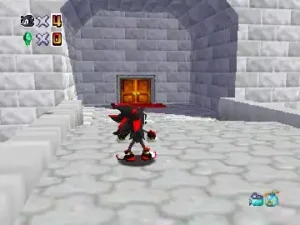
Play Super Mario 64 Shadow Edition Plus v1.0.2 online! It is one of the top-rated Nintendo 64 games you can play for free. No download, emulator, or setup required—jump straight into the action directly in your browser and start playing this classic in seconds.
Exploring the Innovations of Super Mario 64
Super Mario 64 redefined gaming in the mid-90s, not just by introducing players to the captivating world of the Mushroom Kingdom in 3D, but also through its groundbreaking mechanics. Released in 1996 as a launch title for the Nintendo 64, this game emerged as a pioneer in the 3D platforming genre. Combining adventurous exploration with intricate level design, it encouraged players to experiment with its open-world environments—and those stomping Koopas never felt so satisfying. Gamers tackled challenges ranging from collecting Power Stars to engaging in exhilarating boss battles, all while navigating a beautifully rendered world.
The Cultural Legacy and Lasting Impact
Over two decades since its release, the legacy of Super Mario 64 continues to resonate within both the gaming community and popular culture. Its character designs, gameplay style, and soundtrack are often cited as benchmarks for future titles. Mario’s move to 3D not only broadened the horizons of platform gaming but also served as inspiration for countless developers. Elements like the fluid movement mechanics and the game’s creative level structure have influenced subsequent franchises, reinforcing its importance in game design history. Many players fondly recall their first attempts to master the iconic “Rainbow Ride” or the thrill of finding hidden stars, making it an unforgettable experience that transcends generations.
Core Gameplay Mechanics and Difficulty
At its heart, Super Mario 64 is built around intuitive gameplay mechanics that challenge players without sacrificing accessibility. Each level is constructed with unique themes, obstacles, and puzzles, necessitating a blend of skimming across platforms and exploration. The camera system, though pioneering, posed its own challenges – players often navigated through tricky angles that heightened the sense of difficulty. Some of the game’s most notorious stars required expert timing and precision, compelling players to push their skills to the limit, but those successes turned into moments of pure joy.
Conclusion
In retrospect, Super Mario 64 stands as a cultural landmark within the gaming industry, marking a significant leap from 2D to 3D gameplay. Its innovative design, memorable characters, and challenging levels have left a lasting impact on both players and developers alike. Whether experienced by young gamers today or as part of a nostalgic revisit, the classic title continues to be celebrated for its creativity and ingenuity. Through its compelling mechanics and enchanting world, it remains an essential part of gaming history.