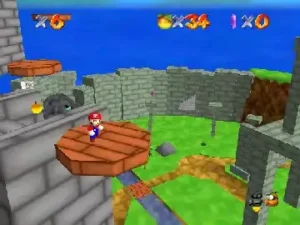
Play Super Mario In Crash Bandicoot online! It is one of the top-rated Nintendo 64 games you can play for free. No download, emulator, or setup required—jump straight into the action directly in your browser and start playing this classic in seconds.
Introduction to Super Mario
The intriguing crossover between Super Mario and Crash Bandicoot showcases the evolution of platform gaming. Originating in the 1980s, Super Mario became synonymous with innovation, introducing mechanics that shaped the genre. This iconic franchise not only brought memorable characters and vibrant worlds to life but also set a high bar for difficulty and design. Both games, though distinct in their storytelling and gameplay mechanics, are testaments to the era of gaming that emphasized fun, exploration, and challenge.
Gameplay Mechanics and Design Innovations
Super Mario is celebrated for its intuitive controls and engaging level design, pushing the platforming envelope. Players navigate through vibrant landscapes, utilize power-ups, and face a variety of enemies, making each level a new adventure. The franchise is a pioneer in implementing mechanics such as hidden blocks, warp zones, and periodic power-ups, crafting a gameplay loop that keeps players returning for more. Its challenging difficulty also fosters a sense of accomplishment—a feeling that persists even decades later.
Historical Context and Cultural Impact
Released in 1985, Super Mario changed the gaming landscape forever, giving rise to a franchise that would dominate the industry for years. Its impact is evident not only in commercial success but also in the cultural zeitgeist it created. Mario became a pop culture icon, symbolizing success and creativity in the gaming world. The game encouraged numerous sequels, spin-offs, and even adaptations into various media, showcasing a legacy that continues to resonate.
Long-Term Legacy and Nostalgia
Fans of Super Mario often reflect on its enduring charm and ability to evoke nostalgia. The remarkable aesthetics, coupled with well-crafted narratives, create an experience that remains relevant today. The franchise has continuously adapted to new gaming technologies, ensuring its presence across generations of gamers. From 2D side-scrollers to modern 3D adventures, the core gameplay remains true, allowing older fans to relive childhood memories while introducing new players to the magic of Mario.
Conclusion
Reflecting on the legacy of Super Mario is akin to looking back at the evolution of video games themselves. The franchise’s innovative gameplay, cultural relevance, and nostalgic pull affirm its status in gaming history. As both old and new players connect over shared experiences, it’s clear that the legacy of this beloved character and his adventures will continue to influence generations, reminding us all why we fell in love with gaming in the first place.