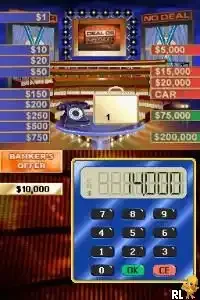
Play Deal or No Deal (Australia) online! It is one of the top-rated Nintendo DS games you can play for free. No download, emulator, or setup required—jump straight into the action directly in your browser and start playing this classic in seconds.
Introduction
The captivating world of Deal or No Deal has left an indelible mark on gaming and television alike. Originating from a simple yet exhilarating premise, this game challenges players to weigh risks and rewards as they choose whether to accept a banker’s offer or continue opening cases. Its unique blend of suspense and strategy has made it a memorable experience, not just a fleeting trend.
Core Gameplay Mechanics
At the heart of Deal or No Deal lies its straightforward yet engaging gameplay mechanics. Players begin by selecting a case that contains a monetary value unbeknownst to them. As players eliminate other cases on the board, they receive offers from a mysterious banker, who attempts to buy their case for a set amount of money. This creates an intense atmosphere where players must constantly evaluate the potential value of their chosen case against the banker’s offers. The thrilling tension is heightened further by the decision-making process: will they take the deal or risk it all? This harrowing choice encapsulates the game’s appeal, blending elements of chance with psychological strategy.
Historical Background and Cultural Impact
Originally airing in Australia in the mid-2000s, Deal or No Deal quickly garnered a fervent audience, paving the way for adaptations worldwide. It became a prominent fixture in Australian pop culture, drawing in viewers with its drama and unpredictability. The format’s reach extended beyond television, leading to various merchandise, local adaptations, and even mobile apps, which kept the game’s spirit alive. Its particular brand of suspense has inspired countless other games and shows, proving its lasting influence. Even today, players reminisce about the thrill of those pivotal moments within the game.
Technical Innovations
Technologically, Deal or No Deal has made strides to enhance player experience. With high-definition visuals and interactive digital interfaces in modern adaptations, the game has embraced innovative design to keep players engaged. From dynamic graphics to immersive sound effects, the advancements enrich the suspenseful environment that initially captivated audiences.
Conclusion
The enduring legacy of Deal or No Deal goes beyond mere gameplay; it symbolizes the blend of risk, strategy, and entertainment that resonates with players and viewers alike. With its simple mechanics, coupled with a dramatic flair, the game serves as a reminder of the joy and tension found in decision-making. As an iconic part of gaming and television history, it continues to be celebrated, making it a nostalgic gem for many.