Play Drawn to Life – The Next Chapter (USA) (En,Fr) online! It is one of the top-rated Nintendo DS games you can play for free. No download, emulator, or setup required—jump straight into the action directly in your browser and start playing this classic in seconds.
Exploring the Core Gameplay Mechanics
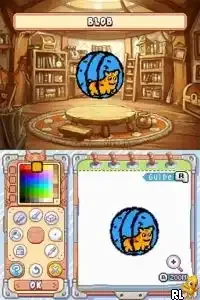
Drawn to Life captivates players with its innovative blend of platforming and creativity. In this beloved title, players take on the role of a “creator,” crafting characters and manipulating environments to solve puzzles and defeat foes. The game’s unique premise allows for extensive customization, letting users design heroes that reflect their own creativity. This interaction not only makes gameplay highly personalized but also introduces varying levels of difficulty based on the player’s design choices.
The levels are rich with challenges that require keen observation and skillful navigation. Each stage is packed with whimsical enemies and obstacles, demanding quick reflexes and strategic thinking. As players progress, the difficulties ramp up—often requiring inventive solutions that utilize the very creations players draw. This aspect of gameplay encourages experimentation and has a pull that lingers long after the console is put down, marking it as a creative standout in the retro gaming landscape.
The Historical Significance and Legacy
Released on the Nintendo DS in 2008, Drawn to Life was a significant entry in the puzzle-platform genre. It innovated not only through its gameplay mechanics but also by introducing a unique art style that set it apart. Players were tasked with literally drawing their characters, which was a radical departure from the more traditional gaming experiences of the time. This hands-on approach resonated deeply with audiences, capturing the imagination of both children and adults alike.
The game enjoyed critical acclaim upon release for its imaginative design and engaging playability. It spawned sequels and inspired many titles that followed, proving that the fusion of creation and gaming could lead to unforgettable experiences. Even today, Drawn to Life carries a legacy of creativity that influences game design, emphasizing self-expression within interactive entertainment.
Cultural Impact and Ongoing Appeal
The cultural relevance of Drawn to Life cannot be overstated. It not only fostered a sense of creativity among players but also nurtured a community focused on sharing their custom creations online. This environment of creativity and collaboration has led to lasting connections among fans, sparking nostalgia that keeps the game alive in conversations about retro gaming today.
In conclusion, Drawn to Life remains a cherished part of gaming history due to its innovative gameplay mechanics, unique artistic interaction, and enduring cultural impact. The game’s ability to encourage creativity while delivering challenging gameplay defines why it continues to be celebrated in the gaming community. For gamers and creators alike, revisiting this title is like opening a portal to a vibrant, imaginative world that still holds magic in its pixels.