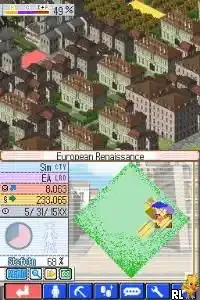
Play SimCity – Creator (USA) (En,Fr,Es) online! It is one of the top-rated Nintendo DS games you can play for free. No download, emulator, or setup required—jump straight into the action directly in your browser and start playing this classic in seconds.
Introduction to SimCity
SimCity revolutionized the gaming landscape by enabling players to step into the shoes of a city planner, where every decision counted. Released in 1989, this simulation game challenged players to build and manage their cities while grappling with the complexities of urban life. Its blend of strategy and creativity set it apart from contemporary titles, making it a watershed moment in video game history that still resonates with gamers and developers alike today.
Gameplay Mechanics and Innovations
The core mechanics of SimCity focus on city management, urban planning, and resource allocation. Players are tasked with zoning areas for residential, commercial, and industrial purposes while also ensuring the well-being of their citizens. The game integrates a host of challenges, such as disasters, budget constraints, and the need for infrastructure development. This complexity demands not just strategic foresight but also adaptability as players respond to various simulations and crises. Notably, the game utilized procedural generation, giving each playthrough a unique experience that encouraged endless experimentation and replayability.
Technical and Design Breakthroughs
SimCity was groundbreaking in its use of isometric graphics and real-time gameplay, which were relatively rare for its time. The intuitive design allowed players to interact seamlessly with their cities, providing immediate feedback on their actions. This user-centric approach paved the way for future simulation games, establishing standards in both visual representation and player engagement.
Cultural Impact and Legacy
<pThe influence of SimCity extends far beyond its initial release. It not only spawned numerous sequels and spin-offs but also inspired a genre of city-building simulations. The game's environmental and social themes prompted discussions about urban development and responsibility, highlighting the complex interplay between city planners and the populace. Today, it remains a beloved classic amongst retro gaming enthusiasts and is celebrated for its significant role in shaping the simulation gaming genre. Its legacy is seen in various modern titles, showcasing the enduring appeal of city planning games.
Conclusion
In an era dominated by fast-paced action games, SimCity stands as a testament to the power of thoughtful, engaging gameplay. Its blend of strategic challenge and creative freedom has cemented its status in the gaming world. As new generations discover this classic, the fundamental lessons of urban planning and resource management embedded in its design continue to inspire players and developers alike. The game’s unparalleled legacy remains alive, proving that sometimes, building a city can be more rewarding than conquering it.