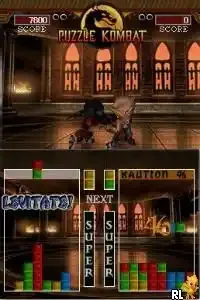
Play Ultimate Mortal Kombat (USA) (En,Fr,De,Es,It) online! It is one of the top-rated Nintendo DS games you can play for free. No download, emulator, or setup required—jump straight into the action directly in your browser and start playing this classic in seconds.
Introduction
Ultimate Mortal Kombat holds a cherished spot in the pantheon of classic fighting games, a legacy that resonates with many enthusiasts. Since its release in the 1990s, it not only showcased innovative gameplay mechanics but also marked a cultural shift in how video games were perceived. With the introduction of unique characters and intricate fighting techniques, this title harnessed the characteristics of martial arts cinema, capturing the imagination of players around the world.
Core Gameplay Mechanics and Challenges
At its core, Ultimate Mortal Kombat provides immersive and competitive gameplay that challenges players to master their chosen fighters. The game features a diverse roster, each with unique abilities, strengths, and combo moves. Aimed at both casual players and seasoned professionals, it offers a robust difficulty curve that encourages skill development. Notably, the infamous Fatality finishing moves enhance the intensity, allowing players to conclude matches with flair. This combination of rich character development and gameplay depth made it a hit, establishing a standard for future fighting games.
Historical Context and Innovations
Originally released in the mid-90s, Ultimate Mortal Kombat was part of a wave of fighting games that significantly influenced the gaming industry. The title emerged at a time when home consoles were gaining traction, ushering in an era of accessibility for gamers. The introduction of a multi-language option was particularly innovative, allowing players in regions such as France, Germany, Spain, and Italy to enjoy the game in their native tongues, fostering a global gaming community. Furthermore, its detailed sprites and animations were groundbreaking, pushing the graphical limits of the era.
Cultural Legacy and Nostalgia
Jumping into the realm of nostalgia, Ultimate Mortal Kombat remains a beloved title not just for its gameplay, but for the cultural impact it had. It ignited discussions about violence in video games and solidified its place in pop culture through references in movies, television shows, and merchandise. The community surrounding the game keeps its spirit alive today, with tournaments and conventions dedicated to celebrating its legacy. Players often reminisce about the thrill of mastering complex combos and the excitement surrounding local arcade competitions.
Conclusion
Ultimately, Ultimate Mortal Kombat is more than just a game; it’s a cultural touchstone that shaped the landscape of fighting games. Its innovative mechanics, historical significance, and enduring fanbase ensure its legacy endures. As new generations discover this classic, the game continues to inspire and entertain, proving that some titles are timeless in their appeal.