Play Strip Fighter II (Japan) online! It is one of the top-rated NEC TURBOGRAFX-16 games you can play for free. No download, emulator, or setup required—jump straight into the action directly in your browser and start playing this classic in seconds.
Introduction to Strip Fighter II
Strip Fighter II stands out in the realm of retro gaming, largely due to its ambitious blend of fighting mechanics with provocative themes. Released in the 1990s, this unique title broke ground not just in gameplay but in the cultural conversations surrounding video games. While typical beat ’em ups revolved around martial arts prowess and character progression, this game introduced an unconventional twist, merging the fighting genre with adult humor and visual flair that reflected the era’s arcade scene.
Gameplay Mechanics and Difficulty
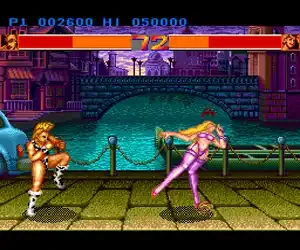
At its core, Strip Fighter II features classic one-on-one combat mechanics familiar to fans of the genre. Players choose from a cast of diverse characters, each with their own signature moves and combo systems. The game’s objective is to deplete an opponent’s health bar through a series of punch and kick combinations, thereby winning the match. However, the standout feature is its unique “strip” mechanic, where players not only fight for victory but also for the chance to strip their opponent of clothing. This added layer of risk and reward introduces a distinctive element of strategy, as players must balance aggression with defense in a bid to maintain their character’s status. The difficulty level is moderate, appealing to both seasoned players and newcomers alike, ensuring a mix of excitement and challenge.
A Cultural Milestone in Gaming
Upon release, Strip Fighter II made waves not just for its playful yet risqué design but also for challenging societal norms regarding video game content. At a time when most games were focused on traditional combat and skill-based accomplishments, this title dared to explore themes of sexuality and humor. It served as a conversation starter on censorship and gaming ethics, placing it squarely in the cultural zeitgeist. This unique positioning allowed it to earn a kind of notoriety, cementing its status within the pantheon of classic retro games. The game’s graphical style also echoed the vibrant, colorful aesthetics popular in the early ’90s, making it an eye-catching contender in the crowded arcade landscape.
Legacy and Continued Influence
- Innovative gameplay mechanics that blend fighting with adult themes.
- Cultural relevance in discussions of censorship in gaming.
- Visual design that reflects the vibrant arcade aesthetics of the era.
Despite its provocative nature, Strip Fighter II remains a memorable title, frequently revisited by enthusiasts who appreciate its campy charm and historical significance. The lasting impact of this game illustrates how it not only pushed boundaries but opened doors for future titles to explore unconventional themes, ultimately enriching the diversity of the gaming landscape.
Conclusion
The amalgamation of fighting mechanics and bold visual flair in Strip Fighter II has earned it a unique place in gaming history. Its ability to marry entertainment with cultural commentary ensures that it is not easily forgotten. Today, retro gamers and new audiences alike can appreciate not only its gameplay but also its role in shaping discussions around the evolution of video games as a medium.