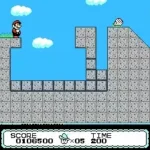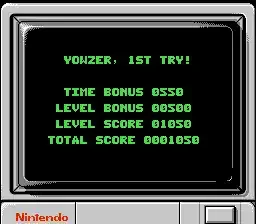
Play Chip’s Challenge (Proto) online! It is one of the top-rated Nintendo Entertainment System games you can play for free. No download, emulator, or setup required—jump straight into the action directly in your browser and start playing this classic in seconds.
Gameplay Mechanics and Difficulty
Chip’s Challenge is renowned for its innovative puzzle mechanics and challenging gameplay that captivate players even today. Released originally for the Atari Lynx in the early 1990s, this game introduced players to a world of grid-based puzzles where strategic movement and problem-solving were key. Players control Chip, navigating maze-like levels filled with obstacles, keys, and hazards. Each level requires careful planning, as Chip can only move one square at a time, allowing for a unique blend of tactical and spatial thinking.
- Grid-based navigation
- Obstacle-centric levels
- Puzzle-solving with keys and doors
- Timed challenges that increase the pressure
The difficulty scales gradually, with later levels demanding sophistication and creativity from players. This blend of accessibility and growing complexity is one of the reasons why “Chip’s Challenge” remains a cornerstone of classic puzzle gaming.
Historical Context and Cultural Impact
<p"Chip's Challenge" emerged during a transformative era in gaming. Developed by Chuck Sommerville and released by Epyx, it was not just another puzzle game; it defined a genre with its engaging mechanics. The game's transition to multiple platforms, including Windows and the Game Boy, expanded its audience and solidified its legacy. Players found themselves repeatedly drawn to the nostalgic charm of Chip’s pixelated world, which has inspired modern indie developers and puzzle enthusiasts alike.
The impact of “Chip’s Challenge” is still felt today, as its design principles influence contemporary puzzle games. The game encourages creativity through its level editor feature, allowing fans to create and share their challenges. As a result, it fostered a dedicated community that keeps its spirit alive, reminding gamers of the joy of problem-solving and exploration in a digital landscape.
Legacy and Continued Relevance
Even decades after its initial release, “Chip’s Challenge” maintains a dedicated fanbase. The game’s unique blend of cunning puzzles and charming visuals ensures that it remains relevant in the gaming community. Retro gamers often revisit it for a sense of nostalgia, while new players discover its merits, proving that great design transcends time.
Conclusion
In summary, “Chip’s Challenge” stands as a testament to the power of engaging puzzle design and rich gameplay mechanics. Its historically significant release and the cultural impact it has had on gaming resonate well into the present, reminding us why this classic remains celebrated among fans and new players alike. With its balance of difficulty and playful charm, “Chip’s Challenge” is not just a piece of nostalgia but an enduring piece of gaming history.