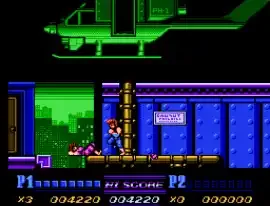
Double Dragon II – The Revenge (Japan) (Beta) is one of the best Nintendo Entertainment System retro games you can play free online — no download required. Jump straight into the action from your browser and start playing in seconds.
Introduction
Double Dragon II stands as a hallmark in the history of beat ’em up games, captivating generations of players with its engaging mechanics and compelling narrative. Released initially in arcades and later on home platforms, this sequel elevated both the gameplay and storytelling found in its predecessor. With cooperative gameplay for up to two players and a dynamic combo system, it carved a significant niche in the retro gaming landscape, demonstrating the ability of video games to fuse camaraderie and competition.
Core Gameplay Mechanics and Innovations
The core gameplay mechanics of Double Dragon II significantly enhanced the interactive experience. Players take on the roles of Billy and Jimmy Lee, battling their way through waves of foes to avenge the kidnapping of their loved one. The game introduced a variety of new moves—including powerful kicks, throws, and grabs—enabling players to perform intricate combos. This added layer of strategy made fights more exciting and challenging, as mastering these moves became crucial to overcoming increasingly difficult enemies.
Additionally, the game featured colorful graphics and a diverse range of environments, from urban streets to dark alleys. The level design encouraged exploration, rewarding players with hidden items and power-ups. The game’s challenge level was notoriously high, demanding precise timing and tactical maneuvering, which ensured that players remained invested throughout their journey.
Historical Release Background
Originally released in 1987, Double Dragon II quickly garnered acclaim and set a high standard for future beat ’em up titles. The strong competition among arcade games at the time saw it as a direct response to the success of the original Double Dragon. The beta version released in Japan sparked immediate interest, and its engaging mechanics led to subsequent adaptations on various home consoles. This broad accessibility allowed more players to experience the game, solidifying its legacy in gaming culture.
Cultural Impact and Long-Term Legacy
The cultural impact of Double Dragon II cannot be overstated. It not only popularized cooperative gameplay but also introduced iconic characters and memorable catchphrases into gamer lexicon. The game’s success led to a franchise that spawned sequels, spin-offs, and adaptations in other media, including cartoons and films. Much of its lasting legacy can be seen in contemporary game design, where cooperative mechanics and narrative elements remain prominent.
- Innovative combo system
- Two-player cooperative gameplay
- High level of difficulty and engagement
- Strong narrative and character development
Conclusion
Today, Double Dragon II is remembered not just as a classic game but as a pioneering title that shaped the beat ’em up genre. Its blend of action, storytelling, and cooperative play captures the essence of retro gaming nostalgia. As new generations discover the game, it continues to be a reminder of how video games can foster connections, making it a cherished part of gaming history that remains influential even decades later.