Play Famicom Wars (English) online! It is one of the top-rated Nintendo Entertainment System games you can play for free. No download, emulator, or setup required—jump straight into the action directly in your browser and start playing this classic in seconds.
Strategic Depth and Challenging Gameplay
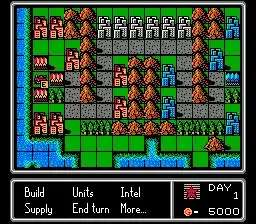
Famicom Wars redefined the strategy genre with its innovative turn-based gameplay. Released in 1988 for the Family Computer, the game emphasized tactical planning and resource management, making each session a true test of skill. Players took on the role of commanding armies on grid-based maps, where positioning and strategy were crucial for victory. The gameplay mechanics were straightforward yet offered profound complexity, inviting players to delve deep into military tactics without overwhelming newcomers. This balance made the game accessible yet challenging, fostering a dedicated following.
Historical Significance and Cultural Impact
Launched in an era when gaming was rapidly evolving, Famicom Wars was notable for introducing elements that would influence future strategy games. It arrived at a time when Japanese gaming culture was beginning to embrace and explore more intricate storytelling and gameplay mechanics. The game’s combination of strategy and quirky, cartoonish aesthetics set it apart, appealing to a broad audience. Over the years, its legacy has inspired various sequels and spin-offs, solidifying its place in video game history. It laid the groundwork for franchises like Advance Wars, beloved for their depth and charm, which continue to resonate with players today.
Innovative Design and Technical Achievements
The design of Famicom Wars was revolutionary for its time, showcasing the technical capabilities of the Famicom console. The game featured a vibrant color palette and charming sprite designs that captivated players, along with an intuitive interface that streamlined decision-making. Additionally, it utilized limited resources effectively, demonstrating how strategic thinking could translate into engaging gameplay without sacrificing visual appeal. This clever design choice made the game feel dynamic and immersive, ensuring players stayed invested throughout their campaigns.
In conclusion, Famicom Wars remains a classic in the realm of strategy gaming, renowned for its deep tactical gameplay and rich history. Its ability to inspire future generations of games speaks to its enduring legacy. This blend of innovation and cultural relevance ensures that the title is not only a relic of the past but a continued source of inspiration for modern game developers and nostalgic players alike.