Play Karate Kid, The (USA) online! It is one of the top-rated Nintendo Entertainment System games you can play for free. No download, emulator, or setup required—jump straight into the action directly in your browser and start playing this classic in seconds.
Understanding the Gameplay Mechanics
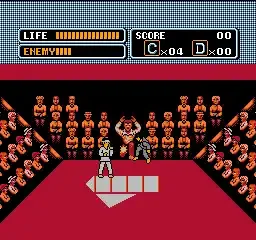
Karate Kid presents players with an intricate blend of martial arts action and engaging adventure, reflecting the spirit of the iconic 1984 film that inspired it. The gameplay focuses on a series of challenges that incorporate combat and mini-games, requiring both timing and precision. Players must master various moves, from basic kicks to advanced combos, all while navigating through different levels that simulate the film’s storyline.
This challenging gameplay, layered with a variety of difficulty levels, keeps players on their toes. Combating enemies in dojo-style settings, players gradually unlock new techniques as they progress, mirroring the protagonist’s journey towards mastery in karate. The inclusion of timing-based mini-games, like catching flies with chopsticks, adds an engaging twist that tests dexterity amid the adrenaline-pumping action. This unique blend of mechanics fosters both frustration and joy, creating a memorable experience that challenges players persistently.
The Historical and Cultural Significance
Released in 1987 for numerous gaming platforms, Karate Kid quickly captured the essence of the original movie, creating a nostalgic connection for fans. At the time, video game adaptations of popular films were burgeoning, yet this game stood out through its engaging gameplay and innovative attempts at storytelling. Fueled by the film’s popularity, it served not just as an adaptation but also as an introduction to martial arts for a generation.
- Introduced karate mechanics to gaming
- Balanced combat with skill-based mini-games
- Emphasized cultural themes of discipline and perseverance
Despite its age, the game’s legacy continues to resonate today. Many fans reminisce about their childhood experiences with Karate Kid, often reflecting on the life lessons embedded within its challenges. Its cultural impact extended beyond gaming, reinforcing karate’s role in popular culture and inspiring countless players to pursue martial arts in real life.
Why It Remains a Classic
The timeless appeal of Karate Kid lies in its amalgamation of engaging gameplay, cultural relevance, and nostalgia. As players revisit the game, they not only enjoy a retro gaming experience but also relive the lessons of perseverance and growth that the film imparted. Such enduring qualities ensure that the game remains a beloved classic, remembered fondly by those who grew up in the era of 8-bit graphics and side-scrolling fighters.
Conclusion
In essence, Karate Kid transcends its status as a mere video game, evolving into a cultural artifact that reflects both the martial arts phenomenon and 1980s pop culture. Its engaging gameplay and nostalgic charm make it a memorable title that continues to attract new generations of fans. As long as the values of discipline and resilience resonate with players, the legacy of this game will undoubtedly endure, solidifying its place in the annals of retro gaming history.