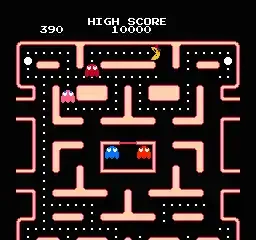
Play Ms. Pac-Man (USA) (Unl) online! It is one of the top-rated Nintendo Entertainment System games you can play for free. No download, emulator, or setup required—jump straight into the action directly in your browser and start playing this classic in seconds.
Introduction to Ms. Pac-Man
Ms. Pac-Man stands as a testament to the golden age of arcade gaming, captivating audiences with its innovative gameplay and charming character. Released in 1982, this sequel to the original Pac-Man added layers of complexity and excitement that set it apart from its predecessor. The vibrant mazes and improved AI of the ghosts not only posed new challenges but also enhanced the overall player experience, solidifying its place in gaming history.
The Evolution of Gameplay Mechanics
One of the key aspects that distinguishes **Ms. Pac-Man** from its predecessor is its refined gameplay mechanics. The game’s designers introduced random maze layouts, diverse ghost behaviors, and new bonus items that dramatically influenced game strategy. Players are no longer confined to memorizing a single maze; instead, they face unpredictable challenges that test their skills and adaptability.
- Random maze layouts keep gameplay fresh.
- Unique ghost behaviors require varied tactics.
- New bonus items reward players for creative play.
This blend of strategy and unpredictability has made it a favorite among retro gamers. Its challenge level is balanced, inviting novices while still thrilling seasoned players, making every playthrough a unique experience.
A Cultural Icon and Its Legacy
The launch of Ms. Pac-Man not only extended the franchise but also played a pivotal role in shaping the arcade culture of the early 1980s. With its female protagonist, the game appealed to a wider demographic, breaking gender stereotypes within gaming. This significant shift contributed to the flourishing popularity of arcade games, making them a mainstream entertainment option.
Furthermore, the game’s success established a legacy that transcends generations, inspiring future game designs and characters. Ms. Pac-Man has been featured in various spin-offs, merchandise, and even appeared in popular media, underlining its enduring status as an icon of gaming history.
The Nostalgic Pull of Ms. Pac-Man
Even decades after its initial release, **Ms. Pac-Man** continues to evoke nostalgia among gamers. Many fondly remember their arcade adventures, gathering with friends over high scores and fierce competitions. This emotional connection keeps the game’s spirit alive, ensuring that it remains a favored classic in the hearts of many.
Conclusion
In summary, Ms. Pac-Man is more than just a game; it is a nostalgic journey that highlights significant advancements in game design and cultural representation. Its intricate gameplay mechanics and lasting legacy have ensured its place in arcade history, inviting new generations to embrace its charms. As the legacy of Ms. Pac-Man continues to thrive, it remains an enduring icon that celebrates the essence of retro gaming.