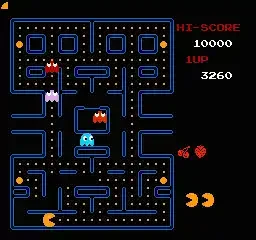
Play Pac-Man (USA) (Namco) online! It is one of the top-rated Nintendo Entertainment System games you can play for free. No download, emulator, or setup required—jump straight into the action directly in your browser and start playing this classic in seconds.
Introduction to Pac-Man
Few arcade games have captured the essence of gaming nostalgia like Pac-Man. Released by Namco in 1980, it revolutionized the gaming landscape with its unique maze-chase mechanics and charming character. Players navigate a vibrant maze, gobbling pellets while evading colorful ghosts, engaging both strategic thinking and reflexes. This quirky yet challenging game not only became a staple in arcades but also laid the groundwork for future video game design, shaping how players interact with digital worlds.
Core Gameplay Mechanics and Difficulty
At its core, Pac-Man’s gameplay is deceptively simple yet challenging. Players control Pac-Man, maneuvering through a maze filled with dots and larger power pellets, which grant temporary invincibility against the pursuing ghosts. The difficulty escalates as players advance through levels, with ghosts becoming faster and more unpredictable. Each ghost possesses distinct behavioral patterns, making strategic paths vital for survival. This blend of memorization and quick reflexes creates a compelling experience that keeps players coming back for “just one more game.” The game’s blend of action and strategy became a template for many future titles, influencing genres from platformers to first-person shooters.
Historical Impact and Cultural Legacy
Pac-Man was not just another arcade hit; it became a cultural icon. Released during a time when video games were primarily focused on shooting and sports, its maze design and non-violent premise attracted a diverse audience, including women and children. Coupled with its catchy music and colorful graphics, the game garnered unprecedented mainstream appeal. Merchandise, cartoons, and even a hit song dedicated to Pac-Man surged in popularity, solidifying its influence beyond the arcade. Today, the game is recognized as one of the greatest video games of all time, remembered for its innovative design and cultural footprint.
Why Pac-Man Endures
The enduring legacy of Pac-Man is a testament to its innovative gameplay and broad appeal. It set a precedent for character-driven games, showing that players connect with charm and personality. Moreover, the game’s various spins and remakes on modern platforms indicate its timelessness. Whether you are a casual gamer or a veteran, Pac-Man remains a joyful experience, embodying the spirit of arcade gaming.
Conclusion
Pac-Man’s journey from arcade machine to cultural phenomenon speaks to its revolutionary mechanics and charming design. With its simple yet challenging gameplay, it attracted a wide audience and established a new era in gaming. As we reflect on classic titles, the legacy of Pac-Man continues to influence game design, ensuring that this iconic character will forever remain a symbol of gaming history.