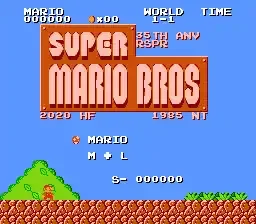
Play Super Mario Bros. Resprited online! It is one of the top-rated Nintendo Entertainment System games you can play for free. No download, emulator, or setup required—jump straight into the action directly in your browser and start playing this classic in seconds.
Unpacking the Gameplay Mechanics of Super Mario Bros.
At the heart of Super Mario Bros. lies a unique fusion of platforming and exploration. Players navigate a vibrant world filled with various challenges, which require both skill and strategy. The game introduced series staples, such as jumping on enemies to defeat them and collecting power-ups like the iconic Super Mushroom, which transforms Mario and empowers his abilities. The precision required in timing jumps and executing moves adds a layer of difficulty, engaging players and keeping them coming back for more.
One of the standout features was the level design. Each stage is meticulously crafted with varying obstacles, secret areas, and creative enemy placements, ensuring no two levels feel the same. The combination of simple controls and complex design mechanics allowed players, whether seasoned or newcomers, to enjoy the game’s progression while mastering its nuances. It’s this perfect balance that contributes to the game’s legendary status and enduring popularity.
A Lasting Legacy and Cultural Significance
Released in 1985, Super Mario Bros. not only revitalized the gaming industry following the crash of 1983 but also became a cultural touchstone. It introduced Mario, a character who has since become synonymous with gaming itself. The game’s success sparked a franchise that has expanded into countless sequels, spin-offs, and merchandise, solidifying Mario’s place in popular culture.
Moreover, the game’s influence extends beyond its immediate success. It set the blueprint for platformers, shaping game design principles across various genres. Countless games have since drawn inspiration from its mechanics, level designs, and character development. As one of the best-selling video games of all time, its legacy continues to impact new generations of gamers and developers alike. In essence, Super Mario Bros. has not just remained in memory—it thrives in the heart of gaming history.
Why It Still Resonates Today
The nostalgia tied to Super Mario Bros. keeps it alive in discussions about gaming. The simple yet challenging gameplay, combined with memorable music and visuals, evoke a sense of joy and challenge that resonates with many. Whether through retro consoles or modern remakes, the game’s spirit continues to attract new players while reminding seasoned fans of their childhood adventures.
In summary, Super Mario Bros. is more than just a game; it is a vital part of gaming culture, known for its innovative design and lasting legacy. Its ability to engage players through challenging mechanics and captivating world-building ensures that it will continue to be celebrated for generations to come.