Play Tag Team Wrestling (USA) online! It is one of the top-rated Nintendo Entertainment System games you can play for free. No download, emulator, or setup required—jump straight into the action directly in your browser and start playing this classic in seconds.
Understanding the Mechanics of Tag Team Wrestling
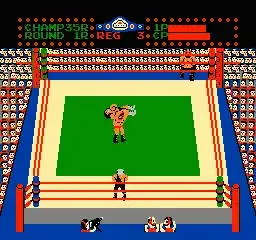
Released in the late 1980s, Tag Team Wrestling captured the essence of professional wrestling in a dynamic digital format. Players engage in tag team matches featuring various wrestlers, who each have unique moves and stats, contributing to a variety of gameplay strategies. The core gameplay mechanics revolve around performing combo attacks, grappling, and timing your tags to optimize team performance. This blend of strategy and action challenged players while providing a notably high difficulty curve, especially for newcomers who had to learn the nuanced controls.
The design also included a roster of memorable characters, from formidable giants to agile performers, drawing players deeper into the wrestling narrative. The balance between power and speed was critical, as players needed to measure their approach based on their chosen character’s strengths. The mechanic of tagging in teammates added a layer of teamwork that brought a fresh take to fighting games of the era, making it a standout title for retro gaming enthusiasts.
The Cultural Significance of Tag Team Wrestling
In the context of late 1980s gaming, Tag Team Wrestling was groundbreaking. It emerged during a time when arcade culture was booming, and the popularity of wrestling was skyrocketing thanks to figures like Hulk Hogan and Randy Savage. The game found its niche in arcades across the United States, allowing fans to interact with their wrestling heroes in a new way. Its unique portrayal of tag teams resonated with audiences who were already captivated by the excitement of tandem battles in the ring.
Moreover, the game contributed to the popularization of wrestling games, laying the groundwork for future franchises that followed. Generations have since reminisced about their childhood experiences playing alongside friends, showcasing the multiplayer aspect that encouraged social interaction. The game’s influence is visible in modern wrestling games, where the essence of tag team dynamics continues to shape gameplay mechanics and character development.
Lasting Legacy and Modern Recognition
Today, Tag Team Wrestling remains a nostalgic gem within the retro gaming scene. Its unique mechanics and cultural relevance have ensured it a place in the hearts of many. Events like classic gaming conventions often feature it as a nostalgic reminder of the gaming and wrestling golden age. Its enduring appeal is a testament to how gameplay can transcend time, continuing to evoke fond memories for both former players and new fans discovering it for the first time.
In conclusion, Tag Team Wrestling is more than just a piece of arcade history; it embodies an era of gaming innovation and cultural significance. Its unique gameplay and lasting legacy have established it as an enduring favorite, reminding us why we fell in love with video games in the first place.