Play Zanac (USA) online! It is one of the top-rated Nintendo Entertainment System games you can play for free. No download, emulator, or setup required—jump straight into the action directly in your browser and start playing this classic in seconds.
Innovative Gameplay Mechanics
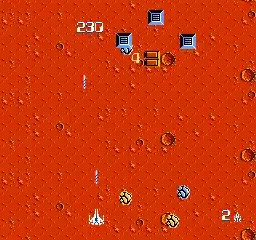
The classic game Zanac distinguished itself through its innovative gameplay and unique mechanics. Released in the late 1980s by NASCA, it was a pioneering title in the shoot ’em up genre. Players navigated their ship through a vertically scrolling battlefield, eliminating waves of enemies while dodging projectiles in an increasingly frenetic experience. What set Zanac apart was its adaptive difficulty system, which dynamically adjusted the challenge based on the player’s performance. This feature meant that no two playthroughs were the same, maintaining high replay value and ensuring that players remained engaged.
The game’s weapon system also provided depth, allowing players to collect upgrades and customize their ships with various armaments. This customization, alongside a variety of enemies and boss fights, created an immersive experience that captivated gamers. Furthermore, the art style and vibrant graphics of Zanac added to its allure, reflecting the era’s aesthetic while pushing the limits of the technology available at the time.
A Cultural Milestone in Gaming
Zanac was not only a technical achievement but also a cultural touchstone that resonated with gaming communities. As one of the early titles for the NES, it helped to solidify the viability of home console gaming at a time when arcades were rapidly declining. The blend of difficulty and engaging mechanics drew in a dedicated fanbase, many of whom fondly remember spending hours trying to master its unforgiving levels.
Its influence can be seen in later titles within the genre, inspiring modern developers to incorporate adaptive difficulty and complex customization options. As retro gaming enjoys a resurgence in popularity, Zanac remains a celebrated classic. Retrogaming enthusiasts often cite the game in discussions around the evolution of shooter mechanics and game design, showcasing its lasting impact on the gaming landscape.
Legacy and Ongoing Appreciation
The legacy of Zanac continues to thrive through various emulations and collections, allowing new generations to experience its groundbreaking gameplay. Dedicated online communities and forums exist where fans share strategies and remembrances of their most challenging moments. This ongoing appreciation underscores the game’s significance and how it remains a vital part of gaming history.
In conclusion, Zanac stands as an emblem of innovation in gaming, merging dynamic difficulty with engaging gameplay. Its historical background and cultural relevance ensure that it is not just a relic of the past but a beloved classic that continues to influence and inspire. Modern players, while enjoying the retro charm, are welcomed into a world that laid the groundwork for many of today’s gaming experiences.