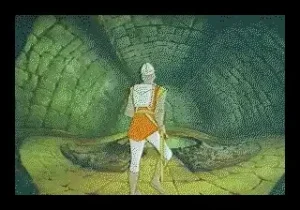
Play Dragon’s Lair online! It is one of the top-rated SEGA CD games you can play for free. No download, emulator, or setup required—jump straight into the action directly in your browser and start playing this classic in seconds.
Introduction
The classic arcade experience of Dragon’s Lair stands as a testament to the innovation and creativity of early video game design. Released in 1983, this groundbreaking title utilized laserdisc technology to create animated scenes, elevating the medium to new heights. Players weren’t just engaging with a game; they were stepping into a cartoon, where every decision influenced the outcome of the narrative. This unique blend of storytelling and gameplay soon made the title an iconic staple in retro gaming history.
Core Gameplay Mechanics and Difficulty
Dragon’s Lair is famous for its innovative yet challenging gameplay mechanics. Players guide the knight, Dirk the Daring, through perilous quests by selecting specific inputs at the right moments. The game is primarily a series of quick-time events (QTEs), where timing and precision are vital for survival. Mistakes lead to instant, often humorous deaths, pushing players to master each sequence. The steep difficulty curve paired with vibrant animation kept gamers both engaged and frustrated, creating a unique experience that remains memorable even today. The game was a pioneer in introducing cinematic storytelling elements into gaming, laying the groundwork for future titles that followed suit.
Historical Release Background and Cultural Impact
When Dragon’s Lair debuted, it revolutionized the arcade landscape. Designed by Don Bluth, a former Disney animator, it captured the attention of gamers seeking something beyond the pixelated narratives of the time. The high production quality and animation artistry attracted a diverse audience, ensuring its place in gaming lore. Its success paved the way for future animation-based games and inspired the creation of sequels and remakes. Today, Dragon’s Lair is seen not only as an entertainment source but also as a cultural artifact, reflecting an era when video games began to evolve into a serious artistic medium.
Legacy and Modern Relevance
The legacy of Dragon’s Lair continues to resonate with both nostalgic players and new audiences. Its impact is seen in modern games that incorporate QTEs and animated storytelling. Additionally, a resurgence of interest in retro gaming has led to re-releases on various platforms, ensuring future generations can experience this classic. The game remains a nostalgic touchstone for many, serving as a reminder of the mechanical and artistic possibilities in gaming.
Conclusion
In conclusion, Dragon’s Lair is more than just an arcade game; it is a cultural milestone that changed the gaming landscape forever. From its pioneering use of animation to its challenging gameplay mechanics, it continues to be celebrated by fans young and old. As the industry embraces new technologies, the spirit of this classic lives on, proving that innovative ideas never truly fade away.