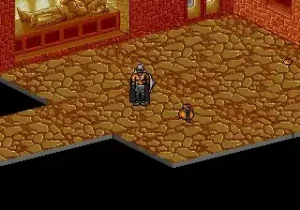
Play Heimdall online! It is one of the top-rated SEGA CD games you can play for free. No download, emulator, or setup required—jump straight into the action directly in your browser and start playing this classic in seconds.
Exploring the Gameplay of Heimdall
Heimdall is a captivating blend of action and adventure that transported players to a mythological world during its release in the early ’90s. This game lets players step into the role of Heimdall, a Norse god tasked with saving the universe from impending doom. The gameplay is structured around exploration and puzzle-solving, challenging players with a variety of obstacles and enemies. The game effectively balances its difficulty, providing a rewarding experience that neither feels overly punishing nor overly simplistic.
Historical Context and Innovations
Launched in 1992, Heimdall was a product of the burgeoning era of adventure games. It was developed for multiple platforms, including the Amiga, providing an accessible yet rich experience for gamers at the time. One of the standout features of Heimdall was its use of fluid graphics and evocative sound design, setting it apart from its contemporaries. The blend of role-playing elements with intricate puzzles was a relatively novel concept, allowing players to develop skills and strategize as they progressed through the game. This innovative approach has inspired many subsequent titles in the genre, marking **Heimdall** as a significant milestone in gaming history.
Cultural Impact and Legacy
Even years after its release, **Heimdall** continues to resonate within the retro gaming community. Its rich narrative and engaging mechanics have fostered a lasting nostalgia, attracting both former players and new enthusiasts. Many indie developers cite it as an inspiration, showcasing how games from earlier eras can inform modern design techniques.
Conclusion
In conclusion, Heimdall remains a cherished gem in the history of gaming. Its innovative gameplay mechanics, coupled with its engaging Norse mythology theme, have solidified its place not just as entertainment, but as a cultural touchstone that continues to spark interest today. For anyone looking back at the evolution of adventure games, Heimdall is a title worth revisiting, standing as a testament to the creativity and potential of early ’90s video game development.