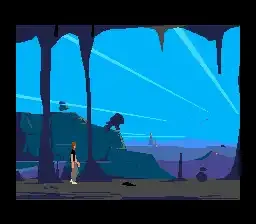
Play Another World (Europe) online! It is one of the top-rated SEGA Genesis games you can play for free. No download, emulator, or setup required—jump straight into the action directly in your browser and start playing this classic in seconds.
Rediscovering the Gameplay of Another World
Another World is a remarkable example of how interactive storytelling can reshape video game narratives. Released in 1991, this cinematic platformer takes players on a journey through a mysterious alien world, showcasing gameplay mechanics that emphasize exploration and environmental puzzles. Unlike typical games of its time, Another World aligns player actions with breathtaking visuals and atmospheric audio, creating a gripping experience. Its inherent difficulty comes from not only mastering controls but also deciphering the enigmatic world, making each death feel like a compelling lesson rather than mere frustration.
Historical Context and Design Innovations
Developed by Éric Chahi, Another World birthed a unique fusion of art and technology during a time when gaming was evolving rapidly. Its use of rotoscoped animation provided a fluid, lifelike quality that was unprecedented. What set it apart were not just the graphics but also the surreal narrative, where players assume the role of Lester Knight Chaykin, a scientist accidentally transported to an alien realm. He must navigate treacherous landscapes and evade deadly creatures to return home. The game was pioneering in its approach to storytelling and design, leaving a lasting influence on future titles. Its artistic merit also led to adaptations across various platforms, ensuring its legacy persisted beyond the 16-bit era.
Enduring Cultural Impact
The impact of Another World continues to resonate within the gaming community. Its innovative mechanics and narrative have inspired developers and gamers alike. The game’s haunting atmosphere and minimalist storytelling invite players to piece together its story through exploration rather than dialogue. This has led to a dedicated fanbase and regular discussions about its artistic merits, proving that sometimes, less truly is more. It also paved the way for indie titles, showing that small teams could create deeply engaging experiences that rival even the biggest studios.
Conclusion: A Lasting Legacy
In conclusion, Another World not only transformed gaming narratives but also set new standards in design and storytelling. Its historical significance is evident in countless games that followed, incorporating similar artistic influences and gameplay mechanics. Players today remember it for its challenging puzzles and unique visual style, ensuring its place in gaming history. As newer generations discover this classic, its legacy continues, reminding everyone of the sheer artistry and innovation that can emerge from the realm of video games.