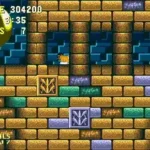
Play Metal Sonic in Sonic the Hedgehog 3 & Knuckles online! It is one of the top-rated SEGA Genesis games you can play for free. No download, emulator, or setup required—jump straight into the action directly in your browser and start playing this classic in seconds.
Introduction to Metal Sonic
In the realm of 16-bit gaming, few characters have left a lasting impression quite like Metal Sonic in Sonic the Hedgehog 3. This iconic antagonist not only challenged the blue blur with his speed but also marked a significant evolution in the franchise’s design and gameplay. With his sleek metallic appearance and advanced AI, Metal Sonic represented a formidable obstacle for players, adding layers of complexity to the gaming experience that would resonate with fans even decades later.
Gameplay Mechanisms and Balance
The inclusion of Metal Sonic introduced various gameplay dynamics that enhanced the overall challenge of Sonic the Hedgehog 3. As a doppelganger of Sonic, Metal not only mimics his speed but also reflects his moves, creating a unique face-off that demands perfect timing and strategy. This blend of mechanics results in intense gameplay sequences where players must adapt quickly, thereby refining their skills rather than merely blasting through levels. The boss battles featuring Metal Sonic, especially in the final encounters, are regarded by many as some of the toughest in the entire series, cementing his role as a peak challenge for players.
Historical Context and Cultural Impact
Released in 1994 for the Sega Genesis, Sonic the Hedgehog 3 marked a pivotal moment not just for the Sonic franchise but also for platform gaming as a whole. Metal Sonic was a key part of a broader narrative arc, embodying the rivalry and evolution of technology within the game. The graphics and sound design pushed the limits for the time, contributing to Sega’s legacy in the gaming industry. Over the years, fans often reminisce about Metal Sonic’s chilling theme and visually striking design, which have influenced many subsequent games and characters.
Legacy and Continued Influence
The enduring legacy of Metal Sonic is evident in modern adaptations and remakes of Sonic games. He frequently appears in spin-offs and has established a reputation as a beloved character within the Sonic universe. His complex design and challenging gameplay mechanics set a standard for future character developments in platform games, particularly those involving speed and agility. Fans continue to celebrate him in various media, cementing his status as an essential part of gaming history.
Conclusion
In summary, Metal Sonic’s impact on Sonic the Hedgehog 3 transcends mere gameplay mechanics; he symbolizes the innovation and creativity of 1990s gaming. His unique design and challenging encounters contributed to a memorable experience that continues to influence new generations of players. As nostalgia for retro gaming thrives, the memory of Metal Sonic remains a testament to the enduring legacy of the Sonic franchise and its ability to captivate audiences worldwide.