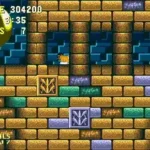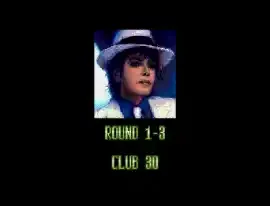
Play Michael Jackson’s Moonwalker (World) online! It is one of the top-rated SEGA Genesis games you can play for free. No download, emulator, or setup required—jump straight into the action directly in your browser and start playing this classic in seconds.
Introduction
Moonwalker is not just a game; it’s a cultural phenomenon that captures the essence of 1980s pop culture through the lens of one of its most iconic figures. Released by Sega in 1990, this arcade classic blends side-scrolling action with the electrifying music of Michael Jackson, creating an experience that resonates with the nostalgia of an entire generation. The game’s unique combination of platforming and rhythm-based mechanics elevates it beyond traditional gameplay, ensuring it remains a beloved title among retro gaming enthusiasts.
Gameplay Mechanics and Difficulty
In Moonwalker, players control Michael Jackson as he traverses various levels, using dance moves and signature abilities to defeat enemies and rescue children from the evil Mr. Big. The core gameplay revolves around navigating side-scrolling environments while performing a series of attacks and dodges. Notably, players can unleash powerful combos and summon the help of Jackson’s famous dance crew, reinforcing the connection between music and gameplay.
The difficulty level is well-balanced, providing a challenge without being overly punishing. Players encounter a range of adversaries, each requiring different strategies to defeat. The game’s incorporation of rhythm mechanics not only enhances the experience but also requires players to time their actions with the beat of the music, adding a layer of complexity that keeps them engaged.
Historical Release Background and Cultural Impact
Originally released for arcade systems, Moonwalker was later adapted for home consoles, including the Sega Genesis. The game benefited significantly from Michael Jackson’s immense popularity during the late ’80s and early ’90s, blending his music and persona into the interactive medium. The graphics, while primitive by today’s standards, were groundbreaking at the time, featuring vibrant colors and distinctive character designs.
The cultural impact of the game cannot be overstated. It not only introduced gaming audiences to a new genre of music-based gameplay but also set a precedent for future music games. Over the years, it has maintained a nostalgic allure, with frequent references in modern pop culture and gaming circles. From conventions to retro gaming forums, the magic of Moonwalker lives on as a beloved relic of its time.
Why It’s Still Remembered Today
The enduring legacy of Moonwalker can be attributed to its innovative fusion of music and gameplay, along with Michael Jackson’s iconic status. Many players recall the game fondly, not just for its entertaining mechanics but also for the heartfelt nostalgia it invokes. Its influence is seen in the rise of rhythm games and music integrations in modern gaming, ensuring that new generations recognize its importance in gaming history.
Conclusion
In conclusion, Moonwalker remains a significant title in both gaming and music history, symbolizing a unique era where pop culture and gaming intersected spectacularly. Its combination of innovative gameplay, cultural relevance, and the timeless appeal of Michael Jackson solidifies its status as a cherished memory for many. As retro gaming continues to rise in popularity, Moonwalker stands as a testament to the era’s creativity and imagination.