
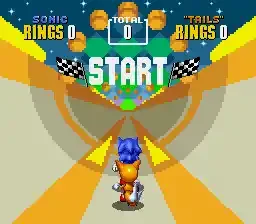
Play Modern Sonic in Sonic 2 online! It is one of the top-rated SEGA Genesis games you can play for free. No download, emulator, or setup required—jump straight into the action directly in your browser and start playing this classic in seconds.
Core Gameplay Mechanics and Difficulty
The core gameplay of Sonic 2 introduced exhilarating speed mechanics that set it apart from other platformers of its time. Players navigate through beautifully rendered levels filled with loops, ramps, and obstacles, emphasizing Sonic’s trademark speed. This installment also introduced Tails, Sonic’s sidekick, allowing for cooperative gameplay, which was a novel feature for platformers. The game’s structure, featuring multiple acts per zone and challenging bosses, offered a satisfying blend of fast-paced action and strategic play. While the levels were colorful and engaging, the difficulty scaled appropriately, ensuring that players would be challenged but not overwhelmed. Timing and reflexes are crucial, with tight controls allowing for enough precision to master the game’s mechanics.
Historical Release Background and Innovations
Released in 1992, Sonic 2 aimed to capitalize on the success of its predecessor, elevating the franchise to new heights. Game developer Sega wanted to create a sequel that not only built upon the foundation set by the first game but also integrated new technologies of the time. The introduction of a “Spin Dash” mechanic allowed players to build momentum while stationary, changing the dynamic of gameplay and enhancing speed strategies. Additionally, the game featured a wider variety of environments, each with unique challenges, from the bustling cityscape of Chemical Plant Zone to the intricate labyrinths of Mystic Cave. The inclusion of a two-player mode and engaging multiplayer element contributed to its reputation as a beloved classic that solidified Sonic’s status as a cultural icon.
Cultural Impact and Legacy
The cultural impact of Sonic 2 cannot be overstated. It not only helped define 16-bit gaming but also transformed Sonic into a pop culture phenomenon. The game’s music, composed by Masato Nakamura, remains iconic and is celebrated in gaming music circles today. Over the years, numerous remakes and commemorative editions have kept the title alive, introducing it to new generations of gamers. As a hallmark of retro gaming, Sonic 2 has inspired countless imitators and is often referenced in modern game design, reflecting its enduring legacy.
In conclusion, Sonic 2 stands out as a landmark title in gaming history, marked by its innovative gameplay mechanics, historical significance, and lasting cultural impact. The blend of speed, precision, and cooperative gameplay continues to resonate with fans, proving that great game design transcends time. Whether for nostalgic revisiting or fresh first experiences, Sonic 2 remains a testament to the creativity and passion behind classic video games.




Oh and can you also add a peel-out for sonic and tails?
love this game but can you add modern tails?