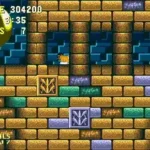
Play Modern Sonic In Sonic 3 online! It is one of the top-rated SEGA Genesis games you can play for free. No download, emulator, or setup required—jump straight into the action directly in your browser and start playing this classic in seconds.
Unleashing Speed: The Gameplay Mechanics of Sonic 3
Modern Sonic enthusiasts often revel in the nostalgia of classics such as Sonic 3, which introduced a refined gameplay experience that stood out even in the competitive landscape of the early 1990s. Players were tasked with speeding through vibrant levels filled with loops, ramps, and enemies, while collecting rings and power-ups. Notably, this installment enhanced the character abilities and environmental interactions, allowing for seamless transitions between stages and encouraging exploration. The special stages featured innovative 3D visuals, a departure from the flat landscapes of previous titles, creating a thrilling sensory experience.
The difficulty curve in Sonic 3 was well-balanced, catering both to newcomers and seasoned players. The game introduced unique mechanics, such as the ability to save progress and utilize elemental shields, which further enriched the gameplay. This combination of exploration and speed set the tone for future titles in the franchise, making Sonic 3 a vital pillar in the evolution of platform gaming. Its blend of fast-paced action and tricky obstacles kept players engaged, making it a memorable entry in the Sonic saga.
The Legacy and Cultural Impact of Sonic 3
Released in 1994, Sonic 3 represented a crucial moment in the gaming landscape. It was one of the final collaborations between Sega and renowned musician Michael Jackson, who contributed to the game’s catchy soundtrack. This element alone added a layer of cultural significance, as it underscored the blending of music and gaming, something that resonated deeply with players. The graphics of Sonic 3, which utilized advanced sprite techniques for the time, pushed the boundaries for what players expected in design and aesthetics.
Moreover, Sonic 3’s influence extends beyond mere gameplay. It sparked an entire franchise, igniting merchandise, animated series, and continued fan engagement through fan art and conventions. The game became emblematic of 90s pop culture, intertwining with the childhoods of millions and fostering a community that still thrives today. Sonic 3 is often remembered as a game that not only defined a generation of gamers but also laid the groundwork for future iterations of the beloved franchise.
The Innovative Features of Sonic 3
- Two-player mode allowing cooperative play
- Character abilities including gliding and swimming
- Enhanced graphics utilizing advanced color palettes
These features ensured that Sonic 3 stood out during its time, creating not just a game, but an experience that resonated with others long after its release.
Conclusion
Reverberating through generations, Sonic 3 remains a celebrated part of gaming history. Its combination of outstanding gameplay mechanics, innovative design, and cultural influence establishes it as a timeless classic. It’s not just about speed; it’s about the memorable experiences crafted for players both then and now. As the modern gaming landscape continues to evolve, the echoes of Sonic 3 remind us of the pure joy and creativity that gaming can offer, securing its place in the hearts of fans worldwide.