Play Ms. Pac-Man (USA, Europe) online! It is one of the top-rated SEGA Genesis games you can play for free. No download, emulator, or setup required—jump straight into the action directly in your browser and start playing this classic in seconds.
Core Gameplay Mechanics and Difficulty
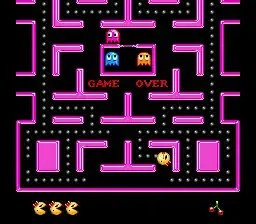
In the pantheon of classic arcade games, **Ms. Pac-Man** stands out not just for its engaging gameplay but also for its innovative design elements that significantly improved upon its predecessor. Players navigate a maze filled with pellets while avoiding four colorful ghosts. The player’s primary goal is to consume all the pellets while strategically using the power pellets to turn the tables on the ghosts. This simple yet compelling mechanic contributes to the game’s addictive nature.
The game’s difficulty ramps up as players progress, with the ghost AI adapting to their strategies. Each level introduces faster ghost movements and smarter chase patterns, maintaining an exhilarating challenge that keeps players coming back. The addictive loop of planning routes, timing ghost encounters, and managing lives resonates deeply with gamers, ensuring its legacy endures through generations.
Historical Release Background and Cultural Impact
Released in 1981, **Ms. Pac-Man** was developed as a response to the overwhelming success of the original Pac-Man. Its creators focused on enhancing the game with new mazes, smarter AI, and in-game cutscenes, making it a fresh experience. The introduction of female protagonist resonated with audiences, marking a pivotal moment in the history of video games.
Beyond gameplay, the game has had a lasting cultural impact. From merchandise to animated adaptations, **Ms. Pac-Man** became a symbol of early video gaming culture, inspiring numerous sequels and spin-offs. It’s often credited with helping to shape the gaming landscape, appealing to a broader audience that included women, which was rare at the time. This legacy solidifies its place not just as a game but as a cultural icon.
Technical Innovations and Lasting Legacy
One of the technical innovations that set **Ms. Pac-Man** apart was its dynamic maze design and improved ghost behavior, which made each game session feel unique. The inclusion of randomized maze layouts, eliminating predictable patterns, significantly increased replay value. As a result, the game remains a favorite in arcades and home systems alike, symbolizing the enduring appeal of classic gaming.
Today, **Ms. Pac-Man** is not only a game but a cherished memory for many gamers. Its innovative design, engaging difficulty, and cultural significance ensure it remains a touchstone in the retro gaming world. Even after decades, it continues to attract new fans and evoke nostalgia in seasoned players, proving that some classics never fade away.