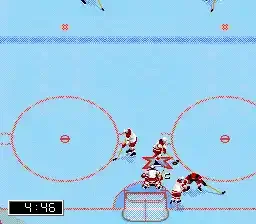
Play NHL 96 (USA, Europe) online! It is one of the top-rated SEGA Genesis games you can play for free. No download, emulator, or setup required—jump straight into the action directly in your browser and start playing this classic in seconds.
Gameplay Mechanics and Difficulty
NHL 96 revolutionized sports video games with its engaging blend of arcade-like fast-paced action and realistic simulation elements. The gameplay mechanics were fine-tuned to allow for fluid puck movement, precision passing, and the introduction of unique player attributes that gave each character a distinct style of play. Players could choose from a variety of real-life teams, each with its own strengths and weaknesses, heightening the strategic depth of each match. The addition of fight mechanics, where players could engage in brawls, added an entertaining yet controversial layer, showcasing the grittier side of hockey to gamers.
However, mastering the gameplay wasn’t easy. The controls required practice and skill to execute complex plays, such as accurately timed slap shots or strategic checks. The game’s AI presented a balanced level of challenge, ensuring that both casual players and seasoned gamers needed to adapt their tactics. This intended difficulty not only kept players returning but also solidified the game as a classic in the genre.
Historical Release Background
Originally launched in 1995, NHL 96 quickly stood out in the crowded sports gaming market. Developed by EA Sports, it was part of the early wave of sports titles adapting to the burgeoning 16-bit console generation, namely the Sega Genesis and Super Nintendo. This title distinguished itself with improved graphics and smoother animations, setting a new benchmark for realism in sports games.
At the time of its release, the popularity of ice hockey was rapidly gaining traction in North America, fueled by national championships and growing fanbases. The game cleverly leveraged this momentum, featuring an authentic roster of players and teams, enhancing its appeal to fans eager for detailed realism. This strategic alignment with the cultural zeitgeist made it not just popular in its release year but assured its long-lasting legacy in the gaming community.
Cultural Impact and Long-Term Legacy
The impact of NHL 96 extended well beyond its release. It fostered a generation of hockey fans and gamers, creating unforgettable memories of late-night matches with friends. The game’s addictive nature and competitive online community continued to thrive through various tournaments, cementing its place in the canon of classic sports games. The enduring popularity of the franchise, which continues to evolve, speaks to the solid foundation laid by this remarkable title.
Moreover, it paved the way for future hockey games that came after it, influencing gameplay design and mechanics, making sure that its legacy would live on. Many avid players still consider it one of the finest hockey games, often reminiscing about the exhilarating rush of each on-ice encounter.
In revisiting NHL 96, one not only experiences the nostalgia of the golden era of gaming but also recognizes its significant contribution to hockey’s digital representation. The game exemplifies how a well-crafted sports title can engage players for decades, making it a timeless classic.