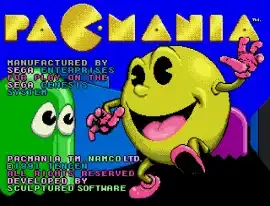
Play Pac-Mania (USA, Europe) online! It is one of the top-rated SEGA Genesis games you can play for free. No download, emulator, or setup required—jump straight into the action directly in your browser and start playing this classic in seconds.
Gameplay Mechanics and Difficulty
Pac-Mania revolutionized classic arcade mechanics, introducing a thrilling 3D perspective that upgraded the original maze-chase gameplay. Players control Pac-Man as he navigates through colorful, elevated mazes, consuming pellets while evading the relentless ghosts. The game maintains the iconic challenges of the original but adds a layer of complexity with enhanced mobility, including the ability to jump over obstacles. This innovation not only enriched gameplay but also escalated the difficulty, requiring players to adopt new strategies to survive longer in the game. The excitement of dodging ghosts while aiming for high scores keeps players engaged, fostering fierce competition in arcades.
Historical Release Background
Initially released in 1996, Pac-Mania marked a significant turning point in the long-running franchise. Developed by Namco, the game merged classic elements of the beloved series with innovative 3D design. It was a pivotal time for gaming as 3D graphics were becoming increasingly popular, allowing developers to explore new dimensions in gameplay. The release was well-received in both the USA and Europe, maintaining the franchise’s reputation while attracting a new generation of gamers. This blend of nostalgia and innovation not only revitalized interest in Pac-Man but also cemented its legacy in gaming history. Over the years, the game has seen multiple adaptations and re-releases, reflecting its enduring popularity.
Legacy and Cultural Impact
The cultural significance of Pac-Mania cannot be overstated. Its unique design and engaging mechanics encapsulated the spirit of the ’90s arcade era. Many gamers have fond memories tied to the bright mazes and clever ghost AI. The game’s influence extended beyond the arcade cabinets, permeating pop culture with various merchandise, TV shows, and remixes in music. Its lasting legacy is observed in numerous modern games that draw inspiration from its blend of simplicity and complexity, proving that classic titles can evolve while retaining their core charm. Today, Pac-Man remains a symbol of retro gaming, evoking nostalgia and admiration from both older and newer generations.
Conclusion
In a landscape filled with constant innovation, Pac-Mania stands out as a quintessential example of how retro gaming can successfully adapt to contemporary tastes while honoring its roots. The game not only showcased technical advancements with its 3D environments but also offered a refined gameplay experience that challenged players in new ways. As we look back, it’s evident that the game’s impact endures, making it a cherished part of gaming history that continues to inspire and entertain. Those who experience Pac-Mania today can appreciate the timeless appeal and innovative spirit that lie at the heart of this classic.