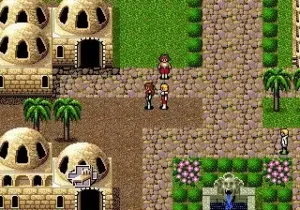
Play Phantasy Star IV (USA) online! It is one of the top-rated SEGA Genesis games you can play for free. No download, emulator, or setup required—jump straight into the action directly in your browser and start playing this classic in seconds.
Core Gameplay Mechanics and Difficulty
Phantasy Star IV is celebrated not just for its captivating story, but also for its innovative gameplay mechanics that set a high bar for RPGs of its time. Players traverse a richly developed world filled with diverse environments and character interactions, relying heavily on exploration and strategic combat. One of the game’s standout features is the combination of turn-based battles with real-time elements, allowing players to plan their movements while reacting to threats dynamically.
The difficulty level is notably balanced, catering to both newcomers and seasoned players. The game offers a unique blend of challenging dungeons and engaging puzzles, ensuring each venture feels rewarding. Moreover, its character growth system encourages experimentation, as players can customize their party, unlocking new abilities and strategies. This engaging gameplay loop has kept players returning for decades, defending their nostalgic fondness for this classic title.
Historical Context and Technical Innovations
Originally released in 1993, Phantasy Star IV marked a significant evolution in the RPG genre, particularly on the Sega Genesis console. It not only concluded the Phantasy Star saga but also showcased technical advancements, such as intricate character designs and a compelling narrative interwoven with themes of ethical decision-making and personal sacrifice. The game’s use of animated cutscenes was pioneering, adding depth to character development and emotional resonance.
Additionally, the soundtrack stands as a hallmark of the game’s legacy, featuring a blend of orchestral and electronic music that enhances the immersive experience. This combination of storytelling, visual innovation, and an iconic musical score has solidified its place in gaming history. The impact of Phantasy Star IV reaches far beyond its initial release, influencing a generation of RPGs that followed.
Cultural Impact and Long-Term Legacy
The cultural significance of Phantasy Star IV remains pronounced, as it represents one of the zeniths of 16-bit RPG design. Its innovative mechanics and rich narrative structure paved the way for future titles in the genre, attracting a loyal fanbase. The game has inspired remakes, fan art, and even continued discussions about its themes in gaming culture, demonstrating that it’s far more than a mere nostalgic relic.
In conclusion, Phantasy Star IV is not simply remembered for its gameplay or technical prowess; it’s a celebration of storytelling and innovation that continues to resonate within the gaming community. Its legacy is a testament to the transformative power of video games, leaving behind a rich tapestry that elevates older titles to legendary status. Those who venture into its world find themselves captivated by a timeless experience that still feels fresh today.