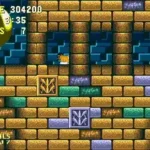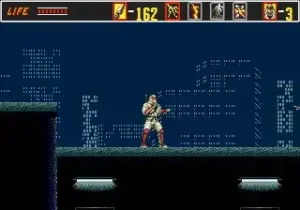
Play Revenge of Shinobi, The (USA, Europe) (Rev B) online! It is one of the top-rated SEGA Genesis games you can play for free. No download, emulator, or setup required—jump straight into the action directly in your browser and start playing this classic in seconds.
Introduction
Revenge of Shinobi is a vintage gem that encapsulates the essence of 16-bit gaming, blending action and strategy in a vibrant world. Released in 1989 by Sega for the Mega Drive, this title pushed the boundaries of design and gameplay mechanics, captivating players with its dynamic ninja-themed adventure. The game’s sophisticated level design and challenging enemies catered to both casual gamers and seasoned veterans alike, marking a significant milestone in the retro gaming landscape.
Core Gameplay Mechanics and Difficulty
At its core, Revenge of Shinobi provides players with a rich arsenal of abilities that highlight the stealthy prowess of its protagonist, Joe Musashi. Players navigate through intricate levels filled with diverse enemies, using a mix of combat techniques and strategic planning. The game is renowned for its challenging difficulty; even experienced players often find it demanding due to punishing enemy AI and limited resources. This difficulty, however, fosters a sense of accomplishment that resonates with players long after they’ve completed their journey.
- Varied attack styles: Jump kicks, shurikens, and powerful ninja magic.
- Dynamic environments: Each level presents unique challenges and traps.
- Enemy diversity: From foot soldiers to formidable bosses, the game keeps players on their toes.
Historical Release Background and Cultural Impact
The release of Revenge of Shinobi was a pivotal moment in the gaming world, introduced during a golden era of console gaming. When it launched in the late ’80s, it showcased the graphical capabilities of the Sega Mega Drive, featuring stunning backgrounds and fluid animations that were ahead of their time. The game became an influential template for future ninja-based platformers, inspiring titles like Ninja Gaiden and Tenchu. Its cultural impact is still felt today, as it maintains a special place in the hearts of gamers, often heralded for its engaging storytelling and aesthetic innovation.
Long-Term Legacy and Modern Remembrances
Decades later, Revenge of Shinobi continues to be celebrated within the gaming community. Re-releases on various platforms have ensured that new generations discover this timeless classic. Its influence can be seen in modern game mechanics that pay homage to its strategic gameplay and intricate designs. Whether through speed runs or nostalgic playthroughs, the game remains a testament to Sega’s innovation and artistry, proving that true treasure not only survives but thrives through the ages.
Conclusion
In summary, Revenge of Shinobi is more than just a game; it represents an era of creativity and challenge that remains relevant today. Its intricate mechanics, compelling narrative, and innovative design have secured its place in retro gaming history, captivating both nostalgic players and newcomers alike. As we celebrate its legacy, it serves as a reminder of the rich storytelling and gameplay experiences that define the world of video games.