Play Sangokushi II (Japan) online! It is one of the top-rated SEGA Genesis games you can play for free. No download, emulator, or setup required—jump straight into the action directly in your browser and start playing this classic in seconds.
Introduction
Sangokushi II, a beloved title from the golden era of gaming, is often celebrated for its engaging blend of strategy and role-playing elements. Released in the late ’80s, this game not only delivered captivating gameplay but also served as an introduction to a rich narrative inspired by the historical Romance of the Three Kingdoms. Its innovative mechanics and cultural references have left a lasting imprint on both fans and future game developers.
Core Gameplay Mechanics
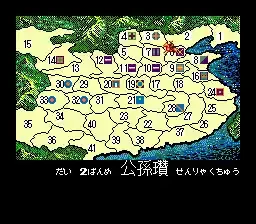
The core gameplay of Sangokushi II revolves around managing armies, deploying strategy, and building alliances, which captures the essence of the historical conflicts it portrays. Players assume the roles of various leaders from the Three Kingdoms era, complete with unique abilities and tactical advantages. The game is renowned for its challenging AI, which forces players to think critically about their moves, balancing diplomacy and warfare. This complexity often results in intense gaming sessions that require both short-term strategy and long-term planning.
With its combination of turn-based actions and character development, players can customize their strategies. The difficulty level sets it apart, as navigating the political landscape of ancient China demands keen insight and adaptability, making victories feel earned rather than handed over easily. The rich narrative, combined with the challenging mechanics, truly marked a step forward in RPG and strategy games alike, laying the groundwork for modern titles still leveraging these core concepts.
Historical Context and Cultural Impact
Sangokushi II was released during a transformative period for video games, where advancements in technology allowed for deeper storytelling and more complex gameplay. Its release coincided with a surge in the popularity of the strategy genre in Japan, thereby cementing its status as a classic. The game not only revived interest in the historical narratives of the Three Kingdoms but also inspired countless adaptations in various media, including anime, novels, and other video games.
- Innovative storytelling techniques
- Complex political and military strategy
- Rich character development inspired by historical figures
Its long-term legacy can be seen in how modern games integrate historical themes with strategy, proving that gaming can be a powerful medium for storytelling. Even decades later, players reminisce about its engaging gameplay and the rich lore that encourages exploration, confirming that its impact is still felt today.
Conclusion
<pIn conclusion, Sangokushi II remains a landmark title in the realm of retro gaming, expertly melding strategy with storytelling. Its significant gameplay innovations and enduring cultural relevance continue to resonate with players old and new. As we reflect on the evolution of video games, titles like Sangokushi II inspire nostalgia and remind us of the rich narratives and mechanics that have shaped the industry.