Play Shadow Dancer – The Secret of Shinobi (World) online! It is one of the top-rated SEGA Genesis games you can play for free. No download, emulator, or setup required—jump straight into the action directly in your browser and start playing this classic in seconds.
Core Gameplay Mechanics and Challenge
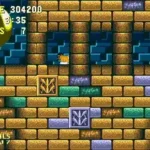
Shadow Dancer delivers an engaging mix of action and platforming that distinguishes it within the retro gaming landscape. The main objective revolves around navigating perilous environments, battling intricate enemies, and rescuing hostages, all while utilizing a unique companion mechanic involving the protagonist’s loyal ninja dog. This canine ally can help in combat, adding a layer of strategy to the game. Players must carefully time their jumps and attacks, as the levels frequently feature hazardous traps and formidable foes that require both quick reflexes and strategic thinking. The challenge escalates through various stages, each exhibiting unique designs and enemy types that keep players on their toes, ensuring that the gameplay remains fresh and demanding as the game progresses.
Historical Significance and Innovations
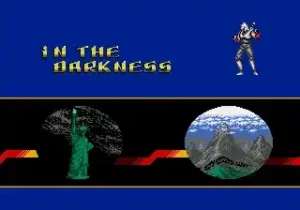
Released in 1990 by SEGA, Shadow Dancer is a cherished installment in the Shinobi series. Upon its launch, the game introduced notable mechanics that elevated the ninja genre. One such innovation was the ability to tame a dog that aids the player in combat, a feature not commonly seen in platform games of that era. The graphics, marked by colorful aesthetics and fluid animations, leveraged the technical capabilities of the SEGA Genesis, immersing players in a vibrant ninja fantasy world. This emphasis on visually appealing design paired with innovative gameplay solidified the game’s stature in the arcade and home console scenes, elevating it to cult status among retro gaming enthusiasts. Its blend of classic action platforming with fresh ideas continues to impress players and inspire modern game developers today.
Cultural Impact and Legacy
Shadow Dancer has secured a lasting legacy in gaming culture, remembered for its stylish gameplay and innovative mechanics. The game’s influence can be seen in subsequent ninjutsu-themed titles and the broader action-adventure genre. Its memorable soundtracks and iconic visuals enhance the nostalgic experience for players revisiting the title. Even decades later, Shadow Dancer is celebrated in retro gaming communities and has spawned various remakes and sequels, emphasizing its enduring appeal. This classic title continues to captivate new generations, drawing in both longtime fans and curious newcomers looking to explore its legacy.
In conclusion, the enduring charm of Shadow Dancer lies in its compelling mix of challenging gameplay, historical importance, and cultural resonance. Players not only confront engaging challenges but also delve into a piece of gaming history that highlights the evolution of the ninja genre. With its innovative mechanics and thoughtful design, this classic remains a testament to the creativity and appeal of retro gaming that continues to influence the industry today.