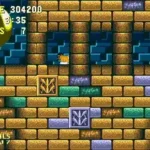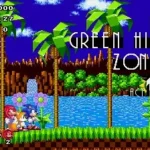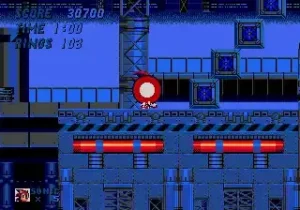
Play Shadow in Sonic the Hedgehog 2 online! It is one of the top-rated SEGA Genesis games you can play for free. No download, emulator, or setup required—jump straight into the action directly in your browser and start playing this classic in seconds.
Core Gameplay Mechanics and Difficulty
In the realm of 16-bit gaming, few titles shine as brightly as Shadow in Sonic the Hedgehog 2. This game not only established franchise staples but also introduced gameplay mechanics that would be influential for years to come. Players maneuvered through a vibrant tapestry of worlds, seamlessly blending speed and platforming. The ability to control Sonic and his sidekick, Tails, allowed for dynamic gameplay, with each character boasting unique abilities that enriched the gaming experience.
The levels were designed to challenge players in creative ways, pushing the limits of speedrunning while incorporating elements that required precise platforming. Memorable zones like Chemical Plant and Mystic Cave presented players with innovative obstacles and swift challenges, making the intensity of the experience both exhilarating and at times, frustrating. It wasn’t uncommon for fans to spend hours mastering stages in search of perfect runs, reclaiming the joy of competition even in single-player mode.
Historical Release Background and Innovations
The release of Shadow in Sonic the Hedgehog 2 in 1992 marked a significant milestone in gaming history. As a sequel to the original Sonic title, which had already established a loyal fan base, this game expanded on its predecessor’s success. The introduction of the spin dash move, a feature that allowed for rapid acceleration, showcased Sega’s commitment to innovation while enhancing the gameplay experience. Additionally, the iconic two-player mode introduced a competitive element, enabling friends to race against each other, deepening its replay value.
Graphically, the game was a showcase for Sega’s capabilities at the time, featuring bold colors and engaging level designs. The engaging soundtrack further complemented the experience, with memorable tunes that are still celebrated today. Shadow in Sonic the Hedgehog 2 was not just another platformer; it was a defining moment that enhanced the character of Sonic and solidified his status as a gaming icon.
Cultural Impact and Legacy
The lasting impact of Shadow in Sonic the Hedgehog 2 can still be felt in contemporary gaming. Its influence extended beyond gameplay; it shaped fan cultures, spurred numerous franchises, and kept players engaged through conventions, fan art, and online discussions. Today, it is often cited as one of the greatest video games of all time, a testament to its legacy that endures across generations.
In conclusion, Shadow in Sonic the Hedgehog 2 remains a pivotal part of gaming history, encapsulating the spirit of innovation, challenge, and nostalgia. Its relentless pursuit of speed, combined with ingenious design, ensures that it will continue to be celebrated and cherished by gamers for years to come.