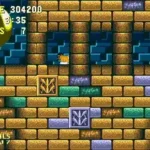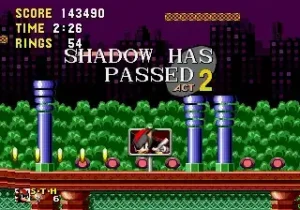
Play Shadow the Hedgehog in Sonic 1 online! It is one of the top-rated SEGA Genesis games you can play for free. No download, emulator, or setup required—jump straight into the action directly in your browser and start playing this classic in seconds.
Core Gameplay Mechanics and Difficulty
The introduction of Shadow the Hedgehog into the Sonic franchise brought a unique twist to gameplay mechanics. Unlike the original characters that emphasized speed and agility, Shadow offered a more nuanced approach filled with a mix of combat and platforming elements. Players could harness Shadow’s unique abilities, such as the Chaos Control, which allowed for time manipulation and high-speed dashes. This intricate blend made the game more challenging, as players needed to not only navigate the intricate levels but also engage in strategic combat against various enemies.
Additionally, the game incorporated a branching storyline that depended on the actions of players, significantly increasing replayability. Choices made in the game determined the outcome, allowing for multiple endings. Many fans found the **difficulty** of navigating both moral choices and physical challenges a refreshing change, contributing to the game’s long-lasting appeal.
Historical Release Background
Launched in 2005 for various platforms, Shadow the Hedgehog emerged at a time when Sonic was evolving. The franchise was experiencing various transformations, and the introduction of Shadow offered a darker and more complex narrative. Developed by Sonic Team, the game broke free from the typical racing heroes trope, aiming instead to tell a story of identity and purpose. The darker aesthetic and themes resonated with audiences and marked a significant departure from previous titles, showcasing an evolution in the Sonic narrative arc.
Moreover, the **technical innovations** in the game, such as improved graphics and level design, reflected advancements in gaming technology. The 3D environments allowed for immersive exploration, while the character models presented more detailed animations. This blend of storytelling and innovative design made the game a notable entry in the Sonic series, showcasing how far gaming had come since its inception.
Cultural Impact and Long-Term Legacy
Shadow has become more than just a game character; he symbolizes the darker, more complex aspects of storytelling in video games. His enduring popularity is evident in fan art, merchandise, and numerous references in later Sonic titles. The blend of edgy themes and character development paved the way for more nuanced storytelling in future games. Today, **fans** remember Shadow for his multifaceted personality and significant role in reshaping the franchise, allowing it to cater to a broader audience.
In conclusion, Shadow the Hedgehog is a standout title that pushed the boundaries of the Sonic franchise. With its innovative gameplay mechanics, intricate storytelling, and lasting impact on gaming culture, it continues to be a beloved memory for fans. The blend of speed, strategy, and character development ensures that Shadow remains a critical figure in the nostalgic landscape of video gaming.