Play Shining Force II (USA) online! It is one of the top-rated SEGA Genesis games you can play for free. No download, emulator, or setup required—jump straight into the action directly in your browser and start playing this classic in seconds.
Introduction
Shining Force II remains a beloved title among fans of tactical role-playing games, not just for its captivating story but also for its innovative gameplay mechanics. Released in the early ’90s, this classic attracted gamers with its blend of strategy and adventure, setting a benchmark for future entries in the genre. Its unique character development and engaging turn-based battles continue to resonate, showcasing the game’s enduring charm and appeal.
Core Gameplay Mechanics and Difficulty
At its heart, Shining Force II combines traditional RPG elements with tactical strategy, giving players the opportunity to command a diverse group of characters in combat. Each character has distinct abilities and growth paths, enhancing replayability as players explore different tactics. The turn-based nature of the combat requires careful planning and foresight, as players must optimize their formations and make strategic decisions to ensure victory. While some battles may pose a challenge, the game balances difficulty with a learning curve that allows newcomers to enjoy the experience as much as veterans do.
Historical Release Background
Launched in 1994 for the Sega Genesis, Shining Force II marked a pivotal moment in the evolution of tactical RPGs. It was a follow-up to the original title and built upon its foundation, offering improved graphics, a more intricate storyline, and an expanded roster of playable characters. The game’s localization into English was a milestone, enabling it to gain traction in the West and establish a dedicated fanbase that continues to thrive in retro gaming communities today.
Cultural Impact and Long-term Legacy
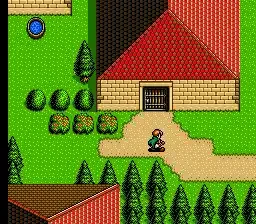
The legacy of Shining Force II extends far beyond its initial release. Iconic for its charming sprite work, colorful environments, and engaging storytelling, the game has influenced countless titles in the genre. Its memorable characters and soundtracks evoke nostalgia for players who experienced it during its heyday, while new generations discover its magic through ports and remakes. As tactical RPGs grow in relevance, this classic remains a touchstone for design and storytelling that resonates even decades later.
Conclusion
<pIn an era where many games fade into obscurity, Shining Force II has proven to be a timeless masterpiece. Its strategic depth, compelling narrative, and rich character experiences have cultivated a lasting legacy that continues to inspire both players and developers today. As fans celebrate the game’s impact, it serves as a reminder of the golden age of RPGs, solidifying its place in gaming history.