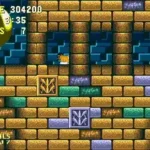
Play Sonic 1 Character Pak online! It is one of the top-rated SEGA Genesis games you can play for free. No download, emulator, or setup required—jump straight into the action directly in your browser and start playing this classic in seconds.
Core Gameplay Mechanics and Difficulty
The original Sonic game revolutionized platforming with its **fast-paced gameplay** and engaging mechanics. Players control Sonic, a blue hedgehog with the remarkable ability to run at incredible speeds. The objective is simple: navigate through a series of brightly colored levels while collecting rings and defeating enemies. What sets Sonic apart is its unique blend of speed and precision; players must master the art of timing their jumps and spins to achieve success. Unlike many platformers of the era, the game incorporated elements of exploration, allowing players to uncover hidden pathways and special items, elevating the gameplay experience.
The challenge was further enhanced by the level design, which required quick reflexes and strategic thinking. Each zone presented its own set of hurdles, ranging from loops to spikes and boss battles, pushing players to adapt and hone their skills. Sonic’s blend of speed and difficulty created a unique gameplay loop that kept players invested, making them strive for better completion times and higher scores.
Historical Release Background and Cultural Impact
Released in 1991 for the Sega Genesis, Sonic introduced a new mascot for Sega, quickly becoming a cultural phenomenon. The game’s release marked a significant milestone in the gaming industry, contributing to the fierce competition between Sega and Nintendo. Considered a direct response to the Super Mario franchise, Sonic not only offered a different style of gameplay but also tapped into the burgeoning 90s attitude, emphasizing speed and attitude.
As Sonic took off in popularity, merchandise flooded the market, featuring everything from toys to animated series. The character’s appeal transcended gaming; Sonic became a cultural icon, representing the youthful and dynamic spirit of the era. Even decades later, the game’s legacy endures, influencing countless titles and establishing a devoted fanbase eager for new adventures.
Technical Innovations
Beyond its gameplay, the original Sonic was noteworthy for its stunning graphics and memorable soundtrack. Utilizing Sega’s blast processing technology, the game delivered vibrant visuals and seamless scrolling that immersed players in a lively, colorful world. The catchy chiptune soundtrack further enhanced the gaming experience, leaving players humming its tunes long after they powered down their consoles.
Conclusion
The lasting appeal of Sonic lies in its perfect marriage of **innovation** and **timeless gameplay**. As a cornerstone of retro gaming, it not only defined a genre but also inspired generations of gamers. Today, Sonic continues to be celebrated for his groundbreaking journey, reminding us of the thrill of speed and exploration that marked the golden age of video games. Its legacy is cemented, ensuring that Sonic’s adventures will remain etched in the annals of gaming history.